
























Spain Faces Scrutiny: Two Major Train Accidents Raise Questions

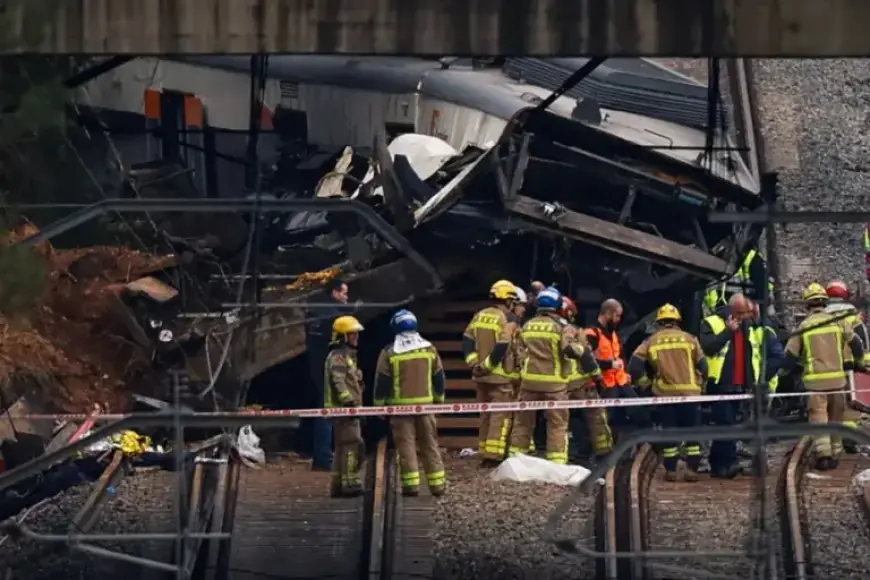
Spain is currently grappling with critical scrutiny following two devastating train accidents that occurred within a span of 48 hours. The tragic incidents have raised serious concerns regarding the safety of the country’s railway system.
Major Train Accidents in Spain
- First Incident: Andalousie Collision
On January 20, 2026, a high-speed train collision near Adamuz resulted in at least 43 fatalities. The crash involved two trains traveling at speeds exceeding 200 km/h, carrying over 500 passengers. - Second Incident: Catalonia Accident
On January 21, 2026, a suburban train struck debris from a collapsed retaining wall near Gelida, Catalonia. This accident caused one death and injured 37 others, with five in serious condition.
The aftermath of these disasters is prompting urgent discussions on railway safety across Spain. The national railway operator, Adif, has suspended train services in affected areas and is implementing speed restrictions between significant routes, including Madrid and Barcelona.
Call for Action and Government Response
In response to these incidents, the Semaf union, representing train drivers, has announced a three-day strike scheduled for February 9 to 11, emphasizing the need for enhanced railway safety measures. Meanwhile, Transport Minister Óscar Puente acknowledged the need for improvements while asserting that Spain’s railway system is generally dependable.
Investigation and Recovery Efforts
Authorities continue to investigate the Adamuz collision. Key interests include the discovery of a 30-centimeter rail break at the site, which is being treated as a potential contributing factor. Additionally, a bogie—a crucial train component—was found in a nearby waterway.
As recovery efforts proceed, the country is still mourning the victims. The government has declared a national tribute for the Adamuz victims on January 31 in Huelva. Currently, there are 31 individuals hospitalized, including six in intensive care.
Long-Term Implications
The investigations are expected to be lengthy and highly complex, potentially taking months to complete. The left-leaning government of Prime Minister Pedro Sánchez is under pressure for perceived inadequacies in railway infrastructure investment. Opposition parties have criticized these investments, demanding a review of safety protocols within Spain’s extensive 4,000-kilometer high-speed rail network, the second largest in the world after China.
As Spain confronts these tragic events, the conversation around rail safety and infrastructure investment takes on new urgency, highlighting the need for systemic improvements and accountability. The nation seeks answers while attempting to ensure safety on its rails for the future.