





















Coalition on Life Support After Nationals Walkout

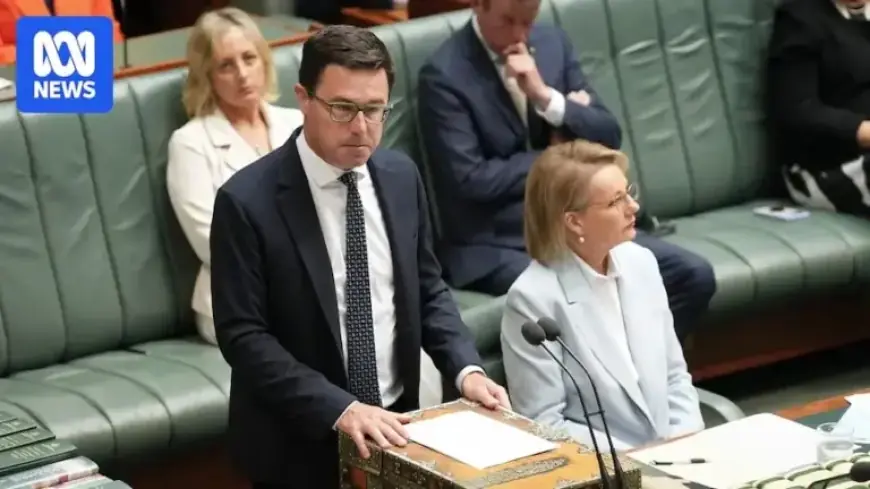
The recent exodus of frontbench members from the Nationals highlights a fragile Coalition agreement, built on expectations of loyalty that have been severely tested. This instability follows the rural party’s split from the Liberals last year, aiming to escape the long-standing convention of shadow cabinet solidarity. While the net zero debate was anticipated as a potential rift, the spark igniting this turmoil was the federal government’s approach to new hate laws following a terror attack.
Mass Resignation of Nationals Members
Eight Nationals members, including their leader David Littleproud, resigned from shadow ministry roles in solidarity with three senior colleagues dismissed for opposing controversial legislation. This mass departure underscores not only the vulnerability of the Coalition agreement but also the commitment of MPs to uphold solidarity principles.
Consequences for Leadership
The fallout from this significant breach of trust is placing considerable pressure on Sussan Ley, the opposition leader. Tensions were palpable between Littleproud and renegade Senator Matt Canavan during a recent encounter at Brisbane Airport. Many within the Coalition believe Canavan played a pivotal role in persuading members to oppose a revised version of Labor’s hate laws.
Details on the Hate Laws
The hate bill, a response to the Bondi terror attack, was modified to remove its most contentious provisions. The new legislation aimed to specify the criteria for banning hate groups. However, Canavan and others voiced concerns that the law could potentially target mainstream political and religious groups.
- Controversial elements stripped from the bill during amendments.
- Concerns raised about the misuse of hate listings.
- Advice from ASIO was ignored, leading to increased dissent.
The Influence of One Nation
Speculation persists regarding the growing influence of One Nation on the Nationals’ decision-making, as its rising popularity creates anxiety among rural Coalition members. The actions of the Nationals are linked not only to internal dynamics but also to external pressures that threaten electoral prospects.
The Blame Game
As Coalition members assess the situation, differing accounts are emerging of the discussions held leading up to the mass resignations. Confusion surrounds the formality of decisions made at shadow cabinet and responsibilities for the fallout.
The Role of Pauline Hanson
Pauline Hanson’s party has gained traction in recent polls, prompting concerns within the Coalition about competition for voter support. National MPs assert that Ley was informed about intentions to oppose the bill before resignations occurred, intensifying the stakes for her leadership.
Despite holding her party together on certain issues, Ley faces enduring questions regarding the stability of the Coalition. The departure of the Nationals raises substantial doubts about the partnership’s future viability.
Conclusion
The recent confrontations within the Coalition signal a broader crisis that extends beyond individual disagreements. The relationship between the Liberal and National parties hangs in the balance, as they navigate challenges that threaten their historical alliance.