

























Earth Hit by Largest Solar Radiation Storm in Over Two Decades

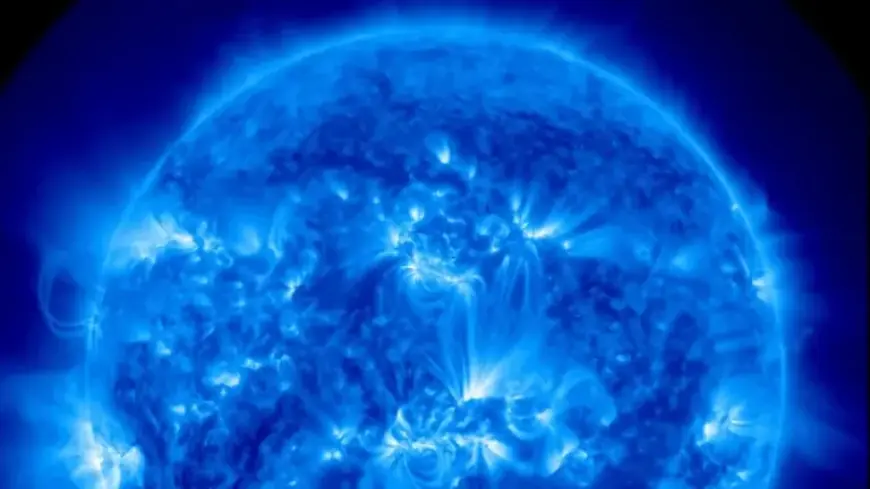
The Sun has unleashed an unprecedented barrage of charged particles directed towards Earth, marking the largest solar radiation storm seen since 2003. This event, identified and classified by the National Oceanic and Atmospheric Administration’s Space Weather Prediction Center (SWPC), has been rated as S4 on a severity scale of 5.
Details of the Solar Radiation Storm
On Monday of this week, Earth experienced a significant influx of these particles. The SWPC confirmed via X that the solar radiation storm is still in effect, potentially impacting satellite operations, space missions, and aviation activities.
What Is a Solar Radiation Storm?
- A solar radiation storm occurs when the Sun ejects fast-moving charged particles towards Earth.
- These particles can increase radiation exposure risks, particularly for astronauts in orbit and commercial flights over polar routes.
- S4 storms can persist for multiple days, although they generally start to diminish gradually.
Such storms of this magnitude are infrequent. The previous S4 storm occurred in October 2003, resulting in power outages in Sweden and transformer damage in South Africa. SWPC is committed to monitoring the current storm closely to ensure the safety of various agencies, including NASA and the Federal Aviation Administration.
Impact on Aviation and Space Missions
During heightened radiation exposure periods, astronauts on the International Space Station are advised to remain in areas with better shielding. This precaution is essential for minimizing health risks associated with increased radiation levels.
Geomagnetic Storms and Solar Activity
This week has been particularly eventful for solar activity. Alongside the radiation storm, a severe geomagnetic storm also reached Earth. This geomagnetic storm produced spectacular auroras visible from Germany to the southwestern United States.
Understanding Coronal Mass Ejections
- Geomagnetic storms occur due to coronal mass ejections (CMEs), which involve violent solar plasma eruptions.
- The latest CME impacted Earth’s magnetic field on January 19 at 2:38 p.m. ET, reaching a G4 level of severity.
- The Sun is currently in its solar maximum phase, leading to a heightened frequency of flares and CMEs.
The next anticipated extreme storm, rated G5, occurred on May 10, 2024. This event significantly disrupted Earth’s power grid and increased atmospheric density in low Earth orbit, causing complications for satellite operations.
As the SWPC continues to track ongoing solar activity, it remains vigilant about the implications for both terrestrial and space-based systems. Understanding these phenomena is crucial for preparedness and mitigation in future solar events.