Sleep Apnea Drug trial points to sulthiame’s promise beyond masks

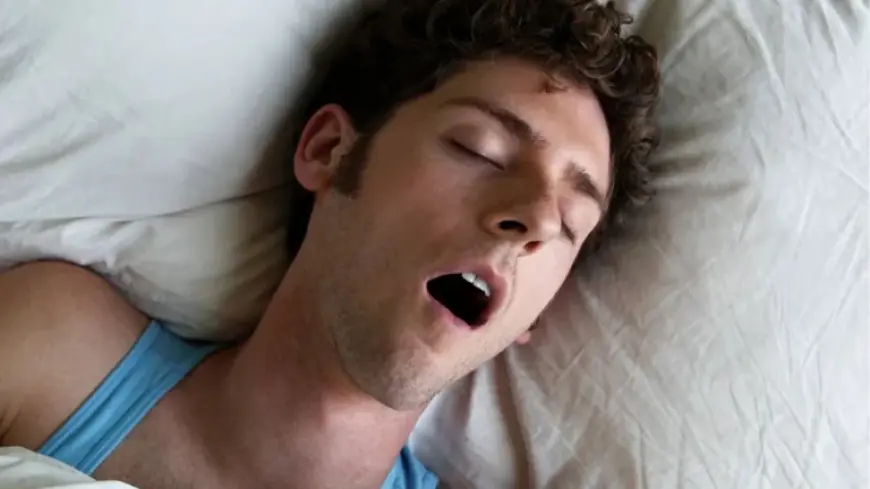
A sleep apnea drug approach using the epilepsy medication sulthiame reduced nighttime breathing interruptions by up to about 50% in a European stage II clinical trial that ended in 2023. The result strengthens the idea that obstructive sleep apnea can be influenced with medication, not only with devices, and it sets up the next question: whether larger, longer studies can confirm durability and safety across broader patient groups.
Sulthiame and University of Gothenburg
The trial centered on sulthiame (also spelled sultiame in some descriptions), an anticonvulsant first synthesized in the 1950s and sold in several European nations, as well as Israel, Japan, and Australia, to treat partial seizures. It has not been registered in the US. Researchers linked to the University of Gothenburg in Sweden played a leading role, including Jan Hedner, a senior professor specializing in pulmonary medicine at the Sahlgrenska Academy, and contributors Ludger Grote and Kaj Stenlöf.
In the stage II trial described, researchers split a cohort of 240 participants into four groups: placebo, or 100 mg, 200 mg, or 300 mg of sulthiame daily. Participants were diagnosed with moderate to severe obstructive sleep apnea and were recruited through medical institutions across five European countries: Belgium, Czechia, France, Germany, and Spain. A separate account of the research describes 298 participants across four European countries, with one quarter receiving placebo and the remainder assigned different doses, using a double-blind design in which neither participants nor researchers knew who received the active drug. The figures differ between descriptions, but both point to a multi-country European trial structured around placebo comparison and dose testing.
Sleep Apnea Drug results by dose
Across the reporting, higher doses delivered the clearest effect. Participants taking the highest daily dose of the drug had nearly 50% fewer breathing interruptions during sleep, while another summary quantified the benefit as up to 47% fewer breathing interruptions compared with placebo. In the stage II dose-finding description, 200 mg or 300 mg reduced sleep apnea severity by approximately 30% to 50%, outperforming placebo, and participants taking any dose an hour before bed showed fewer breathing disturbances, better overnight oxygenation, and reduced excessive daytime sleepiness.
The pattern suggests the trial was not merely showing a “signal, ” but mapping a dose-response relationship that matters for real-world use: more effect at higher doses, but practical constraints around tolerability. Even with no clinically relevant safety concerns reported, side effects increased with dosage, making 200 mg appear to be the sweet spot in the stage II account. Another summary characterized most side effects as mild and temporary, reinforcing the idea that a workable daily regimen may be achievable if the balance between efficacy and tolerability holds in longer studies.
CPAP, tirzepatide, and unmet need
Obstructive sleep apnea involves repeated collapse of the upper airway during sleep, disrupting breathing patterns, lowering oxygen levels, and interrupting rest. Continuous positive airway pressure (CPAP) machines keep the upper airway open throughout the night and have long been described as the standard and most effective way to improve sleep in patients. Yet many people struggle to tolerate masks: one description notes that up to half stop using the device within a year because the mask can feel uncomfortable or interfere with sleep.
That difficulty frames why an oral medication is being positioned as more than a convenience. Researchers describe “a clear, unmet need for an effective and well-tolerated treatment” that is more direct. The context also places sulthiame alongside a newer precedent: at the very end of 2024, the US Food and Drug Administration approved tirzepatide (brand names Mounjaro or Zepbound) for adults with obesity and moderate-to-severe sleep apnea. That approval is described as the first medicine approved for the airway condition, but its sleep-related benefits primarily seem to stem from weight loss in the neck, creating a larger airway less prone to obstruction, rather than treating other underlying issues such as muscle strength in the airways or the body’s respiratory control.
Sulthiame is presented as targeting those underlying mechanisms more directly. It appears to stabilize the body’s control of breathing and increase respiratory drive, lowering the likelihood that the upper airway collapses during sleep. A preliminary European study in 2024 also found sulthiame could improve upper airway muscle tone and stabilize respiratory control. The figures point to a potential new treatment lane: not only improving airway anatomy through weight loss, but also altering the physiological control systems that contribute to collapses during sleep.
For now, the next confirmed step is larger and longer studies. Jan Hedner said the team now looks to determine whether the effect is sustained over time and whether the treatment is safe for broader patient groups—questions that remain open even after a trial showing up to about a 50% reduction in breathing interruptions and improved overnight oxygenation. If longer follow-up confirms durability at a tolerable dose such as 200 mg, the data suggests the sleep apnea drug concept could shift from repurposing experiments to a practical alternative for patients who cannot stick with CPAP.