

























Investors Rattled as Greenland Tensions and Japan Bond Sell-Off Plunge Stocks

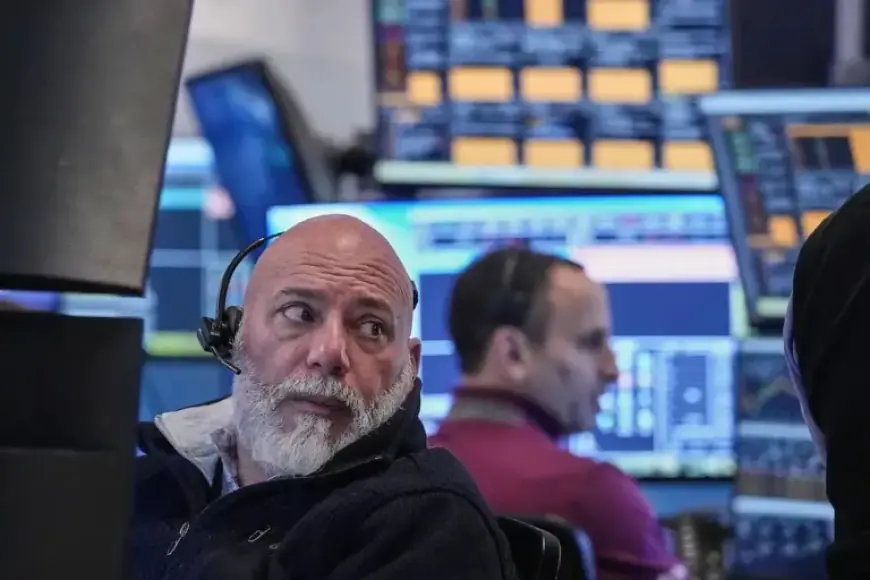
Recent geopolitical tensions over Greenland and significant sell-offs in Japanese government bonds have dramatically unsettled global financial markets. On Tuesday, stock indices, including the S&P 500 and the TSX Composite, experienced notable declines as investors sought refuge in safer assets.
Market Reactions to Greenland Tensions and Japanese Bond Sell-Off
The S&P 500 Index plummeted by 2%, while the TSX Composite index dropped by 1%. Simultaneously, U.S. Treasury bond yields surged, reaching their highest levels since September. The 10-year yield climbed sharply, while the 30-year yield touched a four-month high.
Global Market Implications
This uptick in yield indicates a sell-off, as bond prices and yields move inversely. The spike in market volatility coincided with heightened unease ahead of U.S. President Donald Trump’s scheduled speech at the World Economic Forum in Davos, Switzerland. There, Trump is expected to reiterate his controversial intentions regarding Greenland, potentially exacerbating tensions with the European Union.
Impact of Japanese Government Bonds
Recent events in Japan have also contributed to investor jitters. On Monday and Tuesday, Japanese government bond yields saw one of their largest two-day increases on record. This surge followed Prime Minister Sanae Takaichi’s announcement for a snap election and her desire to suspend the food consumption tax for two years, raising concerns about increased government debt.
- Monday-Tuesday Yield Changes: 30-year Japanese bond yield reached a record 3.85%.
- Investor Concerns: Questions about the sustainability of Japanese government finances emerged.
The Role of Safe Haven Assets
As market participants reacted to these developments, gold prices soared, hitting a new record above $4,700 per ounce. The CBOE Volatility Index (VIX), a prominent measure of market fear, also spiked, reflecting heightened investor anxiety.
Trump’s Greenland Ambitions
President Trump’s focus on Greenland has increasingly alarmed investors. On Tuesday, he reaffirmed his intent to pursue control over the territory, stating there was “no going back.” This declaration came alongside threats to impose import taxes on European goods contingent upon progress regarding Greenland.
Potential Consequences for U.S. Treasuries
Analysts warn that the geopolitical landscape could lead to a significant shift in how investors interact with U.S. Treasuries. If foreign demand wanes, particularly since foreign entities hold about a third of U.S. Treasury debt, the implications could be severe.
International Reactions and Broader Economic Implications
The European Parliament has delayed ratification of a trade deal with the U.S., reflecting a strategic pause in relations. Amidst this backdrop, Danish pension fund AkademikerPension announced its decision to divest from U.S. Treasury holdings, signaling a possible shift in sentiment toward U.S. assets.
- AkademikerPension holdings: Approximately $100 million in U.S. Treasuries.
- Global Capital Flows: Increasing geopolitical tensions may redirect international funds away from U.S. investments.
Looking Ahead
Despite the recent market downturn, many analysts doubt that Trump’s foreign policy will shift in response to these financial disturbances. Historical behavior suggests he persists with ambitious plans, even amid significant market turbulence.
The current climate presents a complex interplay of geopolitical uncertainty and financial market volatility. Investors will continue to watch these developments closely, particularly in relation to U.S. Treasuries and global capital flows.