

























Supreme Court Grills Trump’s Lawyer on Fed’s Lisa Cook Dismissal

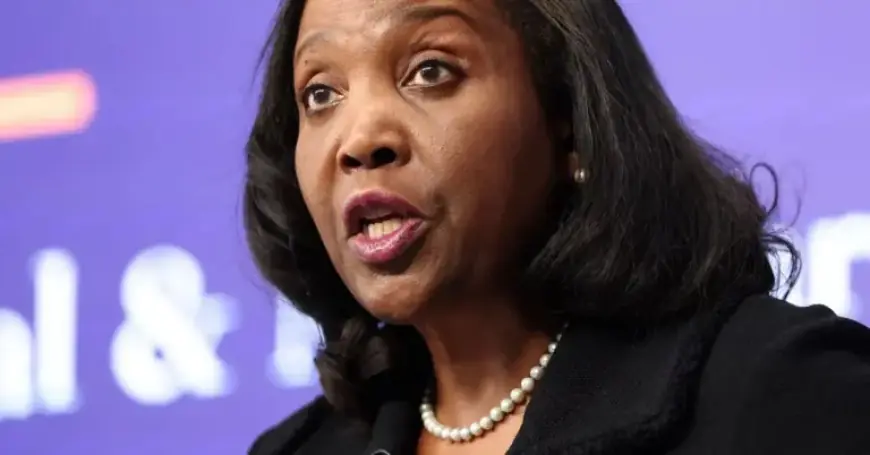
The U.S. Supreme Court recently heard a case regarding Donald Trump’s attempt to dismiss Federal Reserve Governor Lisa Cook. This unprecedented move raises concerns about the independence of the central bank. The Court’s decision could have lasting implications for presidential powers and federal agency autonomy.
Background of the Case
In August 2022, Trump sought to fire Cook, who was appointed by President Joe Biden. Lower courts have blocked this action, emphasizing the need to protect the independence of the Federal Reserve, established in 1913.
Legal Arguments Presented
During the hearing, D. John Sauer, the U.S. solicitor general, represented Trump’s administration. He argued that unproven mortgage fraud allegations warranted Cook’s removal. Sauer asserted that the American public should not have their financial decisions influenced by someone with questionable integrity.
- Cook denied the allegations against her, stating they were a pretext for political motives.
- The Supreme Court comprises six conservatives and three liberals, which will affect how the case is viewed.
Concerns Over Central Bank Independence
Justices from both sides of the ideological spectrum questioned the implications of Trump’s actions. Chief Justice John Roberts expressed skepticism about the validity of the mortgage fraud claims. He emphasized that mistakes in documentation might not justify Cook’s immediate removal.
Justice Samuel Alito raised doubts about the cursory handling of the case, while Justice Brett Kavanaugh noted that the legal position taken by the Trump administration could undermine the Federal Reserve’s independence.
Implications of Allowing the Dismissal
Justice Amy Coney Barrett highlighted concerns from economists, stating that firing Cook might provoke a recession. It indicates the potential economic fallout of this case. Cook’s ongoing position is crucial for maintaining economic stability, considering her term lasts until 2038.
Previous Judicial Rulings and Context
A U.S. District Judge ruled that Trump’s attempts to remove Cook without proper procedures could violate her due process rights. This ruling was upheld by the D.C. Circuit Court, which declined to suspend the lower court’s order.
Political Context
The case reflects broader tensions between the Trump administration and the Federal Reserve, particularly around monetary policy. Trump’s administration has criticized Fed Chair Jerome Powell for not being aggressive enough in cutting interest rates.
The outcome of this case could redefine the boundaries of presidential authority over independent agencies, emphasizing the need for careful examination of political motives in such actions.
Future Developments
As the Supreme Court deliberates the case, the potential for a significant shift in the governance of the Federal Reserve looms. Lisa Cook and Powell are expected to attend further arguments, underscoring the high stakes involved.
The final decision will not only determine Cook’s fate but will also set important precedents concerning the relationship between the presidency and independent regulatory agencies.