
























Tech Giants Discuss AI’s Future at Davos 2026: Workforce Impact and Europe’s Role

At Davos 2026, leaders in technology are focusing extensively on artificial intelligence (AI), highlighting its potential impacts on the workforce and the vital role Europe could play in this evolving landscape. Discussions have shifted from competitive technologies to the broader implications of AI, including its societal risks and benefits.
AI’s Opportunity for Europe
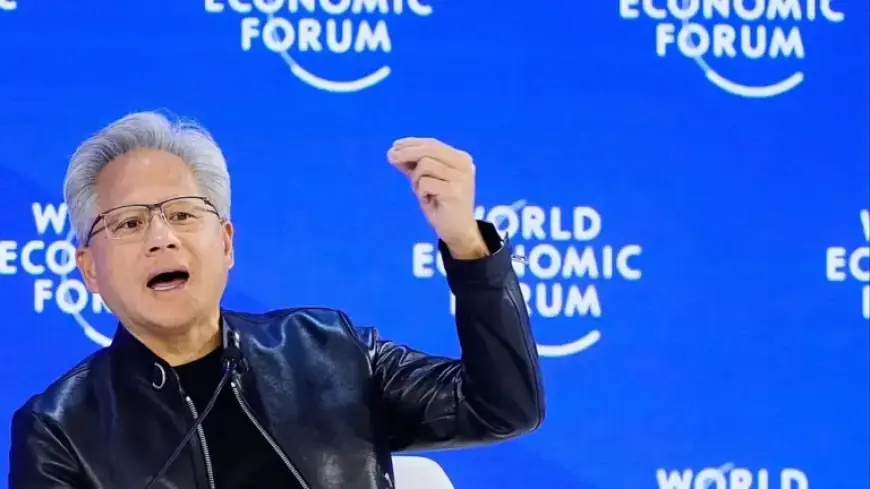
Jensen Huang, CEO of Nvidia, has expressed optimism about Europe’s potential in AI. He noted that Europe possesses a strong manufacturing base conducive to building necessary AI infrastructure. Huang emphasized that Europe should seize this moment: “Now is the era to leapfrog the software age.” He believes that AI will not replace jobs but rather create new ones in fields such as trade and crafts, suggesting salaries for these jobs could nearly double.
AI’s Role in Job Creation
- Jensen Huang predicts job creation in traditional trades like plumbing and electrical work.
- New job opportunities will arise, potentially leading to better salaries for workers.
Global Deployment and Impact of AI
Satya Nadella, CEO of Microsoft, emphasized the need for AI to focus on impactful outcomes for communities and industries. He cautioned that AI deployment may be uneven, primarily due to limitations in investment and infrastructure. For AI to reach its full potential, Nadella stressed the importance of building necessary conditions for effective implementation.
Critical Infrastructure Needs
- Investment in essential infrastructure, such as electrical grids, is crucial for AI development.
- Government support is necessary to create a favorable environment for private companies.
Concerns About AI’s Nature
Yoshua Bengio, a prominent figure in AI, raised concerns about the anthropomorphism of AI systems. He cautioned that many perceive AI as human-like, which could lead to misconceptions about their capabilities. He stated, “AIs are not really human,” urging caution in how society interacts with these technologies.
AI Superintelligence and Regulation
Yuval Harari, a well-known thinker, warned against the risks of developing superintelligent AI. He highlighted the lack of experience humanity has with integrating AI into society. Harari emphasized the need for humility and mechanisms to correct potential errors before they escalate.
The Future of AI Governance
Dario Amodei, CEO of Anthropic, stated that regulating AI’s development will be crucial in the coming years. He discussed the implications of artificial general intelligence (AGI), where AI surpasses human intelligence, and the potential loss of control over such systems. Amodei also highlighted geopolitical concerns, particularly regarding AI chip sales to China, which he believes could impact US innovation and safety in AI development.
Emerging Job Trends in AI
Demis Hassabis, CEO of Google DeepMind, shared a more hopeful outlook. He mentioned that while the job market may experience short-term shifts, such as a reduction in internships, new, meaningful job opportunities will arise from advancements in AI tools. He advised students to focus on mastering these tools instead of traditional internships, which might become less relevant in the evolving job landscape.
Future Considerations
- The arrival of AGI will present unprecedented challenges for the workforce.
- Hassabis called for the establishment of international safety standards in AI to ensure societal well-being.
As discussions continue at Davos 2026, the emphasis on AI reveals both its immense potential and the significant challenges that lie ahead. The collective insights from these tech leaders underscore the necessity for strategic planning and responsible governance in shaping the future of AI and its integration into society.