

























Japan Reactivates World’s Largest Nuclear Plant Amid Fukushima Concerns

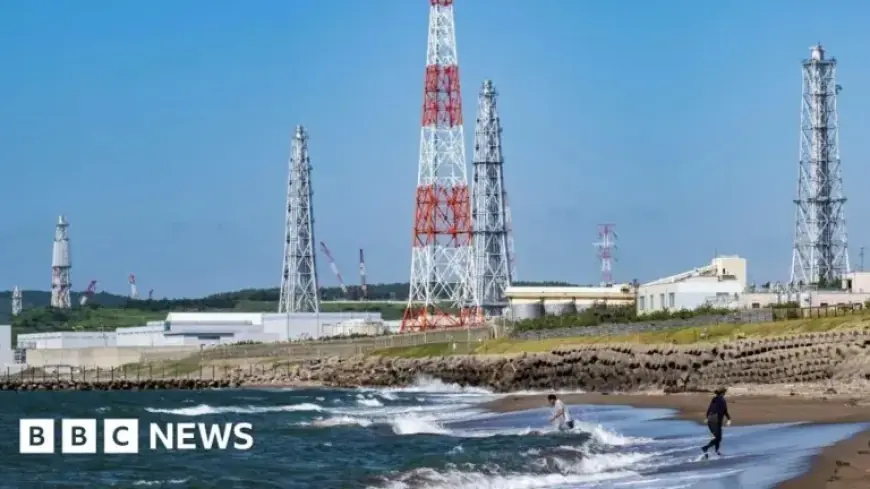
Japan has restarted operations at the Kashiwazaki-Kariwa Nuclear Power Plant, the world’s largest, for the first time since the Fukushima disaster in 2011. This decision marks a significant step in the nation’s effort to revitalize its nuclear energy sector, despite ongoing safety concerns from local residents.
Kashiwazaki-Kariwa Nuclear Power Plant Resumes Operations
The restart of reactor number 6 at the Kashiwazaki-Kariwa facility, located northwest of Tokyo, faced delays due to an alarm malfunction. It is expected to start commercial operations next month. This reactor is the first among those owned by the Tokyo Electric Power Company (Tepco) to resume operations since the Fukushima incident.
A History of Nuclear Power in Japan
Prior to 2011, nuclear energy provided nearly 30% of Japan’s electricity. Following the Fukushima disaster, which was triggered by a massive earthquake and tsunami, all 54 reactors in the country were shut down. The catastrophic failure at Fukushima Daiichi led to widespread radioactive leakage and prompted evacuations of local communities, many of whom have yet to return.
Long-Term Nuclear Strategy
In recent years, Japan has been gradually reinvigorating its nuclear sector, with 15 of its 33 operational reactors restarted since 2015. However, the Kashiwazaki-Kariwa plant’s seventh reactor is not expected to be operational until 2030, leaving the plant’s capacity significantly reduced from its previous 8.2 gigawatts to potentially less if other reactors are decommissioned.
Government Policies and Public Sentiment
Prime Minister Sanae Takaichi, who took office in October 2022, advocates for nuclear energy to bolster the nation’s energy self-sufficiency. Despite rising energy demand linked to data centers and semiconductor manufacturing, there is skepticism regarding the role of nuclear energy. In 2023, nuclear power accounted for only 8.5% of the electricity supply.
- 2011: Fukushima disaster leads to the shutdown of all reactors.
- Since 2015: 15 reactors have resumed operations.
- 2023: Only reactor number 6 at Kashiwazaki-Kariwa is restarting.
- Projected Contribution: Nuclear power expected to provide 20% of Japan’s electricity by 2040.
Safety Concerns and Regulatory Changes
In the aftermath of the Fukushima crisis, public trust in nuclear power waned significantly. In 2023, concerns resurfaced with incidents at the Kashiwazaki-Kariwa plant, including mishandling of confidential documents. This has raised questions about Tepco’s commitment to safety and transparency.
Challenges Ahead
Despite improvements in safety regulations, including increased seawall heights and watertight equipment, experts express concerns about the adequacy of current measures against future disasters. The fear of another Fukushima lingers among the public. Recent protests have highlighted the community’s ongoing opposition to nuclear power. Many continue to call for alternatives in the face of rising costs and safety issues.
As Japan pushes forward with its nuclear ambitions, it faces the dual challenge of ensuring safety and restoring public confidence. The country’s approach to energy is pivotal as it aims for net-zero emissions by 2050, with a complicated path ahead regarding the balance between nuclear and renewable energy sources.