















Trump Urges Immediate Greenland Deal, Criticizes Denmark as ‘Ungrateful’

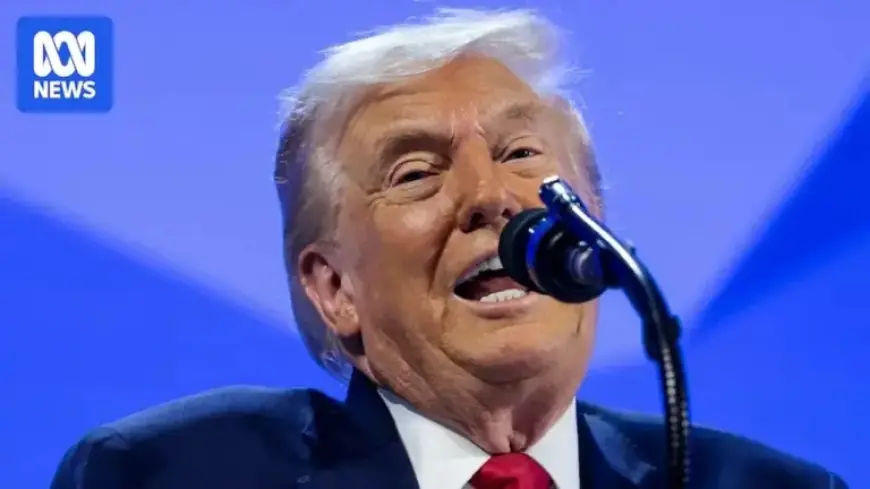
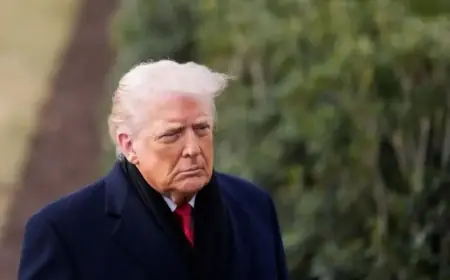
During a recent address at the World Economic Forum in Davos, Switzerland, President Donald Trump expressed his desire for immediate negotiations regarding the acquisition of Greenland. He emphasized that while he seeks control over the territory, he categorically ruled out any military action to achieve this goal.
Trump’s Remarks on Greenland Acquisition
The U.S. president spoke to an audience filled with global leaders and business executives, reiterating the strategic importance of Greenland. He stated, “I’m seeking immediate negotiations to once again discuss the acquisition of Greenland by the United States.” Trump characterized the request as a minor issue, referring to Greenland as “a small ask for a piece of ice.”
Denmark Criticized as ‘Ungrateful’
In his speech, Trump criticized Denmark, labeling the country as “ungrateful” for its reluctance to entertain the idea of selling Greenland. Despite the strong rhetoric, he presented no military threats to secure the territory, stating, “I won’t use force.” This assurance came amid increased tensions between the U.S. and its European allies.
- Greenland is home to approximately 56,000 residents.
- Trump’s motivations include both strategic and economic interests.
- Heightened tensions have led him to threaten tariffs against several NATO countries.
Economic Ultimatums and European Response
Prior to his Davos address, Trump had threatened to impose tariffs unless certain European nations acquiesced to his Greenland acquisition plans. In light of these threats, European lawmakers responded by delaying the ratification of a trade agreement with the U.S. that had been established six months earlier.
Upcoming meetings are planned for European leaders in Brussels to deliberate on their response to Trump’s demands and escalating rhetoric. As tensions simmer, the strategic implications of Greenland’s ownership remain a topic of significant concern for international relations.