























Vermont Budget Proposal May Trigger 6% Tax Increase

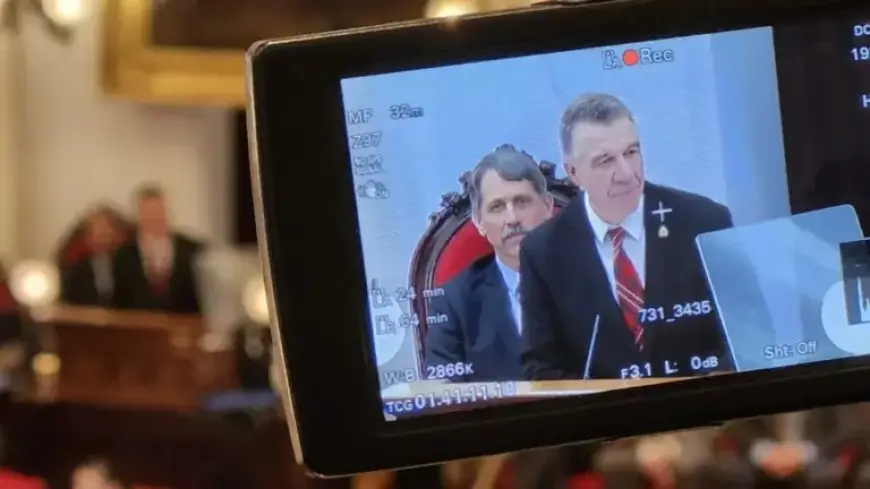
Governor Phil Scott recently presented a $9.4 billion budget proposal for Vermont that includes a significant investment aimed at offsetting a potential tax increase. The proposal dedicates $105 million to alleviate an anticipated average rise of 6% in property taxes. Governor Scott emphasized the need for collaborative efforts among school boards, district administrators, and lawmakers to manage this increase effectively.
Key Highlights of the Vermont Budget Proposal
During his address to the legislature, Scott underscored the consequences of a failing system on taxpayer burdens. He called for a restriction on school district budgets, aligning with the education reforms initiated under Act 73 last year. “We cannot continue to ask Vermonters to pay more while providing less for our kids,” he stated.
Legislative Reactions
The response to the budget proposal has been mixed among lawmakers. Senate President Pro Tempore Phil Baruth expressed satisfaction over the governor’s support for capping future school spending. Conversely, House Speaker Jill Krowinski urged for comprehensive solutions rather than temporary fixes.
- Senate President Phil Baruth (D/P-Chittenden-Central): Supports spending caps.
- House Speaker Jill Krowinski (D-Burlington): Advocates for long-term solutions.
- Rep. Kate Logan (P/D-Burlington): Expressed concern over the governor’s linkage between budget approval and education reform.
Budget Overview
The proposed budget marks a $300 million increase, equating to a 3% rise primarily due to escalating salary, pension, and health care costs. Simultaneously, expected reductions in transportation funding, projected to fall by $9 million due to decreased gas tax revenues, have raised alarm among legislators.
Key Budget Allocations
- Housing Improvements: $4 million allocated to the Vermont Housing Improvement Program.
- Mobile Home Repairs: $800,000 proposed for mobile home maintenance.
- Public Safety: Funds to expand Community Accountability Court efforts across Vermont.
- Healthcare Cost Management: Anticipated federal funding of $1 billion over five years for primary care options.
Education and Housing Initiatives
Governor Scott reiterated his concerns about rising housing costs. He plans to phase out the pandemic-era motel program for the homeless, proposing a shift towards sustainable treatment options and accelerated housing development. This approach aims to address the ongoing housing crisis impacting all Vermonters.
Furthermore, Scott tackled soaring healthcare costs, attributing them to a lack of choice in services. He believes that expanding primary care options through federal funding will alleviate some financial pressures on residents.
Energy Costs and Environmental Considerations
In his discussion on energy, Scott pointed out that many Vermonters struggle with elevated utility costs. He proposed a mixed energy strategy that potentially includes nuclear energy, despite past community resistance following the closure of the Vermont Yankee Nuclear Power Station in 2014. Environmental groups have voiced their opposition to this plan.
As deliberations continue, the governor’s budget proposal highlights crucial topics such as taxes, education, housing, and environmental sustainability, all essential for the future of Vermont’s residents.