

























Has the Supreme Court Backed Itself Into a Corner? An Analysis

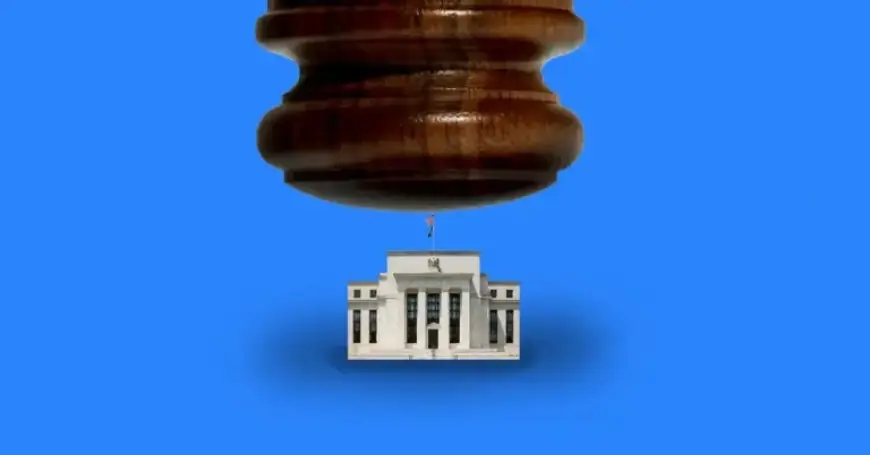
On Wednesday, the Supreme Court is scheduled to hear oral arguments in the significant case, Trump v. Cook. This case centers on the President’s authority to dismiss Lisa Cook, a member of the Federal Reserve’s Board of Governors. It raises critical questions about the independence of the Federal Reserve, a matter of great importance in both economic and political contexts.
Implications of Fed Independence
The overarching question is whether the Federal Reserve will retain its autonomy from presidential influence. Many legal experts, central bankers, and political figures advocate for the Fed’s independence. However, there’s ongoing debate about potential reforms within the Federal Reserve system.
Background of the Case
In May 2025, the Supreme Court issued an emergency ruling in another case, Trump v. Wilcox, which temporarily allowed the President to dismiss leaders of two independent agencies. This ruling signaled a shift toward giving increased removal power to the President while raising questions about the Federal Reserve’s special status as a quasi-private entity.
- The 1935 precedent, Humphrey’s Executor v. United States, may come under scrutiny.
- Justice Elena Kagan and other liberal justices argue for maintaining the Fed’s independence.
- The court’s conservatives have indicated a desire to challenge historical foundations supporting Fed autonomy.
Strategies for Maintaining Fed Independence
Many scholars believe the Supreme Court must navigate a complex legal landscape to maintain the Federal Reserve’s independence while allowing broad presidential removal powers. Several legal theories have emerged:
- Historical Practice: The argument posits that the Fed’s structure and function are historically unique.
- Legislative Power: Monetary policy is viewed as Congress’s responsibility, complicating the Fed’s structure.
- Banking as Different: Some scholars argue that monetary policy does not fit within traditional executive functions.
The Court’s Current Composition
Legal experts are closely watching how the individual justices approach these complex issues during the Trump v. Cook oral arguments. Justice Kavanaugh has emerged as a critical voice, having previously questioned how the Fed’s independence could differ from other agencies like the Federal Trade Commission.
Judicial Philosophy and Historical Context
According to constitutional scholars, the current court’s interpretation of presidential power could significantly impact the Federal Reserve. There is skepticism around the historical basis for the unitary executive theory, along with arguments against conflating the independence of agencies with presidential authority.
Looking Ahead
The outcome of Trump v. Cook has the potential to reshape discussions around presidential power and the Federal Reserve’s operational autonomy. As the justices consider these arguments, analysts will be observing how the court balances historical precedent, economic implications, and the power dynamic between the branches of government.
In summary, the path forward regarding the independence of the Federal Reserve and the scope of presidential authority remains uncertain. The Supreme Court’s decision could set a precedent with enduring effects on the governance of independent agencies in the United States.