
























Trump Faces Potential Setback as Treasury Policies Shift

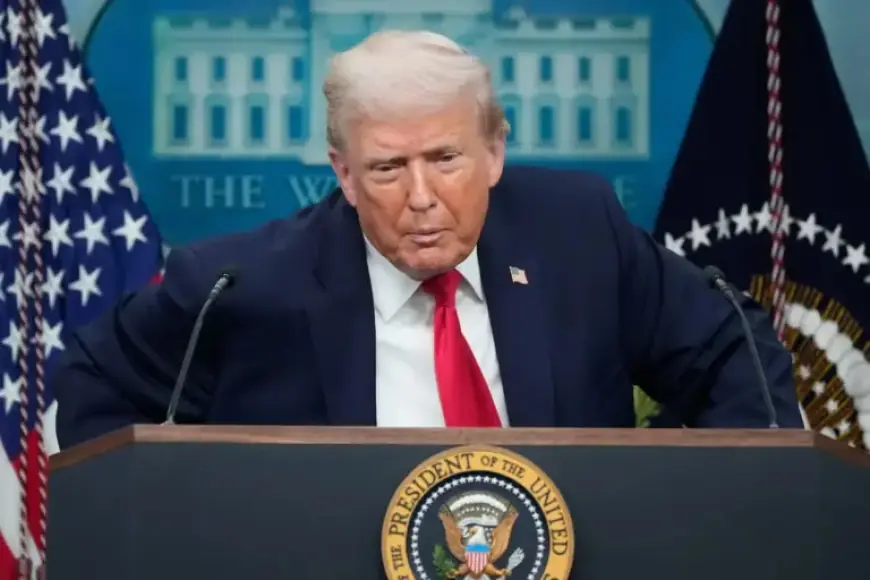
The U.S. Treasury policies are shifting amid increasing concerns over rising yields, which could pose challenges for the Trump administration. As the country faces a mid-term election year, the impact of these changes could be significant.
Potential Setback for Trump Administration
With growing Treasury yields, there may be unforeseen market reactions that could influence the economic landscape ahead of the elections. Traders and investors are closely monitoring the situation, concerned about the implications of a spike in yields.
Economic Repercussions
The rise in Treasury yields often signals mounting pressure on U.S. debt management. Notably, 30-year Treasury yields have increased by 10 basis points since Trump took office, defying the Federal Reserve’s attempts to lower interest rates through cuts. Increased rates could potentially disrupt Trump’s plans for economic revitalization.
- Current U.S. net international investment gap: approximately $28 trillion.
- Rising mortgage rates threaten housing affordability initiatives.
- European economies are growing increasingly hesitant to negotiate trade deals.
Global Trade Relations at Risk
The escalation of trade tensions is evident as European leaders respond to perceived threats from U.S. tariffs. Discussions of “endless tariffs” have led to extreme caution among European countries. The potential for retaliatory tariffs worth over $100 billion looms if the U.S. proceeds with new import taxes.
Market Reactions and Risks
The immediate market reactions to recent developments have included declines in both U.S. and European stocks and a notable rise in gold prices. The calm after initial updates was misleading, as the reopening of American markets showed sharp increases in yields, bringing renewed fears of capital flight from U.S. assets.
Investment Concerns
Investor confidence is shifting as the financial landscape becomes increasingly volatile. The possibility of reduced European investments in U.S. Treasuries poses a significant risk for maintaining the stability of the U.S. market. Analysts are concerned that ongoing tariff discussions could further strain relations and impact investment flows.
- Potential challenges to the Federal Reserve’s independence due to ongoing economic policies.
- Impacts of higher tariffs on domestic inflation rates.
In conclusion, the combination of rising Treasury yields and strained transatlantic trade relations could create a precarious situation for the Trump administration as it heads toward the mid-term elections. The reaction of global investors and stock markets to these developments will be crucial in the coming weeks.