Jordan Thompson Battles Nuno Borges Again as Australian Open Run Hangs in the Balance

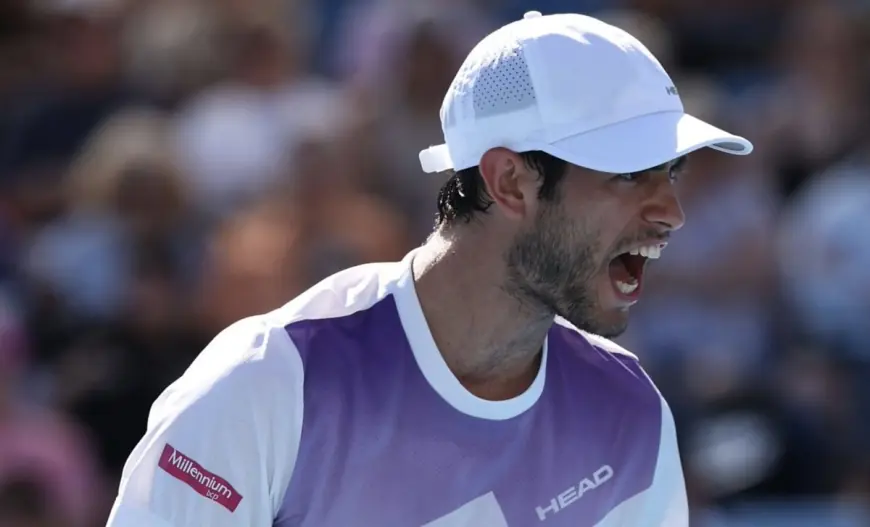
Jordan Thompson’s Australian Open campaign hit a tense turning point on Wednesday, January 21, 2026, as he found himself fighting to avoid another second-round exit against Nuno Borges. After grabbing the opening set in a marathon tiebreak, Thompson’s match swung sharply, with Borges flipping the momentum and putting the Australian under heavy pressure as the contest progressed.
The storyline feels familiar because it’s not just a match—it's a test of Thompson’s reset button. He arrived in Melbourne trying to build on a positive start to the tournament, but the second round quickly turned into a grind marked by shifting control, mounting frustration, and thin margins.
Jordan Thompson vs Nuno Borges: How the match turned after a dramatic first set
Thompson started with the kind of urgency that can lift a home crowd and rattle a seeded or higher-ranked opponent. The first set was tight from the beginning, eventually spilling into a long tiebreak that Thompson edged, a signal that his timing and competitiveness were where they needed to be.
Then the match pivoted. Borges steadied his patterns, pushed the rallies into uncomfortable lengths, and began winning more of the “middle points” that decide sets—those 15–15 and 30–30 moments where one rushed decision can cost a game. As Borges stacked sets, Thompson’s margin for error shrank, and the match became less about one big swing and more about whether Thompson could regain control in the lanes Borges was taking away.
-
Thompson took the first set in an extended tiebreak.
-
Borges responded by winning the next two sets to move in front.
-
Thompson’s path back narrowed to protecting serve consistently and shortening points without donating unforced errors.
Key takeaways
-
Thompson won the opener but quickly lost momentum as Borges raised his level in longer exchanges.
-
A tight second-round matchup turned into a scoreboard chase after Borges claimed the second and third sets.
-
On-court discipline became a storyline, with Thompson drawing attention from officials after moments of visible frustration.
-
The matchup carried added weight because Borges has been a difficult opponent for Thompson at this stage before.
-
Even with the score trending the wrong way, the match remained close enough that one sharp run—especially a break at the right time—could still reshape the outcome.
What the frustration tells you: Small margins, big consequences
In best-of-five tennis, emotional management is part of the skill set. When a player feels points slipping, the risk is that frustration becomes tactical: you rush returns, go for too much on neutral balls, or start playing the opponent instead of the patterns.
That dynamic appeared to be in play here. Thompson’s intensity didn’t vanish, but the match demanded calm clarity—first-serve placement, controlled aggression on the forehand, and smarter choices at the end of rallies. When those pieces wobble, the opponent doesn’t need to do anything spectacular; they simply keep the ball deep and wait.
This is also why second rounds can be tricky for home players. The pressure feels different: you’ve already won once, expectations rise, and suddenly you’re defending a narrative as much as a scoreline.
Why “Jordan Thompson” and “reunion matchups” matter at the Australian Open
This matchup isn’t being read as a one-off because it fits into a longer arc for Thompson: injuries have repeatedly interrupted his rhythm, and his best stretches often come when his body holds up long enough for confidence to stack. He opened this Australian Open with a solid first-round win in four sets, which looked like a platform to build on.
But Borges presents a specific kind of test—patient, structured, and comfortable making matches physical. If Thompson can’t consistently take time away, he can get pulled into patterns that reward the steadier player.
Historical context: Tennis regularly produces these “same-opponent, same-round” storylines that feel almost scripted. When two players meet again at the same stage a year later, the psychology shifts: one player knows the blueprint worked before, and the other knows exactly how it felt to be on the wrong side of it. That mental tug-of-war can matter as much as shot-making.
What to watch next: The tactical levers that could flip the match
If Thompson is going to turn this around, the path is usually a mix of three things:
-
First-serve quality over speed: better placement can open the court without chasing aces.
-
Shorter points by design: not reckless hits, but purposeful first-strike tennis—serve plus one, return plus one, and earlier court positioning.
-
Target selection: making Borges hit on the move, especially into the forehand corner, rather than feeding comfortable rally balls.
The biggest signal will be whether Thompson can create scoreboard pressure early in a set—holding cleanly, then forcing Borges into longer service games. If that doesn’t happen, the match risks staying on Borges’ preferred terms.
Whatever the final result, this second-round battle is another snapshot of what defines Jordan Thompson’s career stretches: when he’s composed and proactive, he can turn matches quickly; when the match becomes a long, patient duel, the line between competing and chasing can get razor-thin.