
























Severe Solar Storm Engulfs Earth, Triggers Aurora Watch

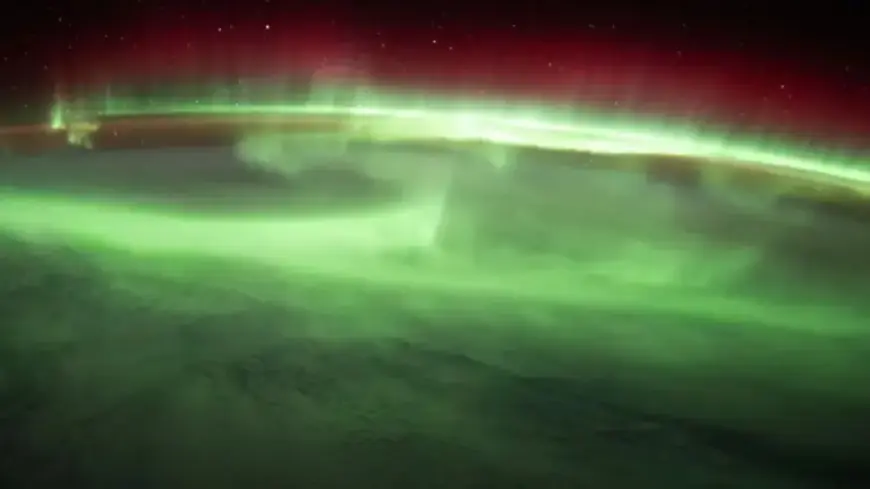
The Earth is currently experiencing a severe solar storm categorized as G4 in intensity. This geomagnetic storm is a result of significant solar activity, specifically linked to a massive eruption on the Sun that occurred on January 18. Experts believe conditions may escalate to G5 levels, which could lead to even more dramatic auroral displays.
Understanding the Source of the Storm
A geomagnetic storm originates from solar phenomena. It requires not only solar flares but also coronal mass ejections (CMEs). On January 18, the Sun emitted an X1.9-class flare—the most potent type of solar flare. Alongside this flare was a CME, which released billions of tons of charged solar particles.
Effects of a Coronal Mass Ejection
When a CME impacts Earth, it causes charged particles in our magnetosphere to become excited. This results in colorful auroral displays, mainly visible near the poles. Currently, experts predict auroras could be seen at lower latitudes than usual, increasing the number of people who may witness this celestial phenomenon.
The Impact of Solar Wind
A coronal hole has further amplified the storm’s effects by allowing charged particles to escape more easily from the Sun. At present, the solar wind is recorded at speeds reaching 1,069.9 kilometers (665 miles) per second, nearly triple the average rate. This high-speed solar wind enhances the visibility and intensity of auroras.
Potential Hazards Related to the Storm
- Temporary radio blackouts caused by X-radiation from the flare.
- Disruption of radio communications and spacecraft operations due to geomagnetic disturbances.
- Radiation storms that may affect astronauts, satellites, and high-latitude aviation.
Radiation Storm Ratings
The solar event has also led to an S4 rating on the radiation storm scale, marking it as the most concerning radiation storm since 2003. Although the intensity of this storm has diminished to S2, it remains noteworthy, particularly for aviation and satellite operations.
Looking Forward
As geomagnetic activity continues, conditions may still allow for auroras in the night sky. Enthusiasts are encouraged to step outside and gaze upwards to witness the stunning displays, provided the weather permits.