

























Kamchatka Russia Snow Crisis: Record Winter Storm 2026 Buries Towns, Strands Transport, and Tests Emergency Crews

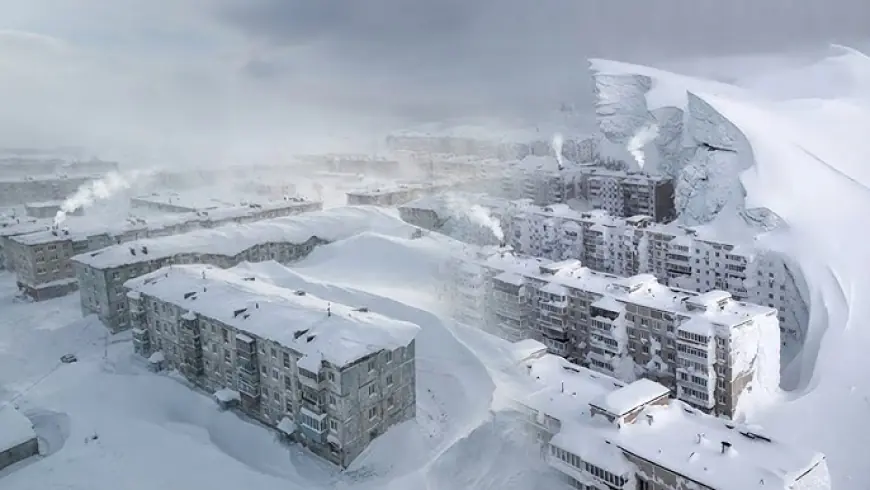
A historic burst of winter weather has overwhelmed Russia’s Far Eastern Kamchatka Peninsula, where back-to-back storms have delivered extraordinary snowfall totals and created drifts high enough to swallow cars and block building entrances. The Kamchatka snow event stands out not only for raw accumulation, but for how fast it piled up—turning routine snow removal into round-the-clock digging and pushing local services into emergency-mode operations.
While snow is normal in Kamchatka, this episode is being described locally as the harshest in decades, with snowfall tallies in parts of the peninsula reaching levels that are rarely seen in modern recordkeeping. The result: stalled road networks, disrupted public transport, delayed daily life, and increased concerns about roof loads, access to hospitals, and the ability of rescue crews to reach people in time.
Kamchatka Russia Snow: How Extreme Is It?
Snow depths across portions of Kamchatka have surged past the kind of benchmarks that typically define a “once in a generation” winter. Reports from the region indicate:
-
More than 2 meters of snow fell in parts of Kamchatka in the first half of January.
-
December snowfall was already extreme, with some areas reporting around 3.7 meters for the month.
-
Snowdrifts reached multiple meters high, in places rising to the height of vehicles and piling against building doors and stairwells.
Even where official “snowfall” numbers are slightly lower than nearby neighborhoods, wind-driven drifting has made conditions look and function worse: a street can appear passable until the next corner is blocked by a wall of snow.
Russia Snow Storm 2026: Why This One Hit So Hard
Several factors combine to turn a snowstorm into a paralyzing event in Kamchatka:
-
Storm sequencing: When a second system arrives before the first is cleared, plowed snow has nowhere to go. Streets narrow, visibility worsens, and snowbanks become barriers.
-
Wind and drifting: Strong winds can move snow faster than crews can clear it, creating sudden blockages and near-whiteout bursts.
-
Urban choke points: Apartment entrances, stairwells, and parking areas become critical. When those seal up, people can’t get out, ambulances can’t get in, and deliveries stop.
-
Geography and exposure: Kamchatka sits in a zone where powerful Pacific systems can intensify, especially when cold air is already entrenched.
What It Looks Like on the Ground: Digging Out Homes and Streets
In Kamchatka’s main population centers, the storm has reshaped daily life into a constant shoveling operation. Residents have been carving narrow trenches from doorways to sidewalks just to exit buildings. Vehicles left parked for a short time have been buried to the roofline in drift-prone areas. In some neighborhoods, clearing isn’t a “one and done” task—paths refill quickly as wind redeposits snow.
Local authorities have leaned on heavy machinery where possible, but the scale of snow accumulation means priorities are triage-based:
-
keeping main roads and emergency routes open,
-
restoring access to hospitals and essential services,
-
then widening neighborhood streets and digging out building entrances.
Transport Disruptions: When Snow Turns Into a Logistics Problem
The most immediate public risk in a Kamchatka snowfall surge is not just driving—it’s access. Deep snow can isolate blocks and entire districts, especially when standard buses can’t operate. In severe conditions, regions often shift to higher-clearance vehicles, reduce schedules, or suspend routes altogether.
Travel disruptions also ripple beyond Kamchatka. This broad winter pattern has affected parts of Northeast Asia, with knock-on impacts including flight cancellations and hazardous road conditions in areas far from the peninsula. Even if Kamchatka is the headline, the wider weather regime matters because it can slow resupply and complicate regional movement of goods.
Key Risks Now: Roof Loads, Emergency Access, and Secondary Storm Effects
As cleanup continues, the hazards shift from “getting through the storm” to “managing what it left behind”:
-
Roof collapses: Heavy, wet snow can overload flat or older roofs. Clearing rooftops safely becomes urgent.
-
Blocked exits: Snow piled against apartment doors can trap residents and become a life-safety issue during fires or medical emergencies.
-
Avalanche and slide risk: In hilly areas, rapid loading increases the danger of snow slides, especially if temperatures fluctuate.
-
Refreeze and ice: Once snow is compacted by vehicles and plows, it can harden into ice, extending the period of dangerous footing and driving.
What’s Next for Kamchatka Snowfall
Near-term conditions hinge on two things: whether the storm track sends another significant system into the region, and whether winds remain strong enough to keep re-drifting snow back onto cleared routes. Even without fresh snowfall, recovery can take days or longer after a record event because removal capacity is finite and snow storage space runs out.
For residents, the practical reality is that life often normalizes in phases:
-
emergency access restored,
-
public transport partially resumes,
-
schools and workplaces reopen in steps,
-
full neighborhood clearance follows last.
Kamchatka is built for winter—but Russia’s snow storm 2026 in the Far East is pushing beyond routine resilience. The next updates that matter most are operational: which roads reopen, how quickly entrances and rooftops are cleared, and whether the weather pattern delivers another round before the region fully digs out.