





















Abella Danger on ESPN: Why a Split-Second Crowd Shot During the National Title Game Turned Into a Viral Firestorm

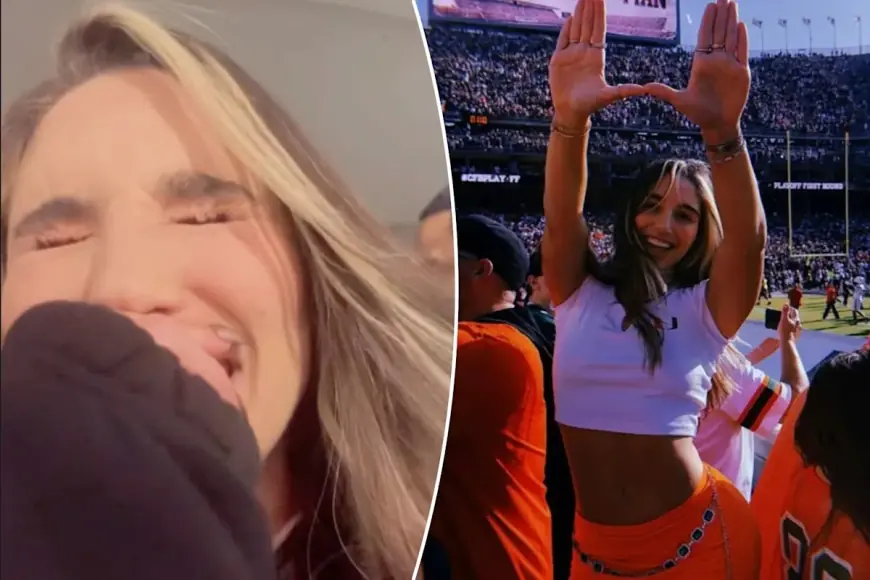
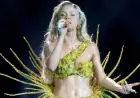
A brief crowd cutaway featuring Abella Danger during an ESPN broadcast has sparked an outsized online reaction, blending sports fandom, internet detective work, and the ongoing debate about what belongs on a family prime-time telecast. The moment unfolded during the College Football Playoff national championship in Miami, when cameras panned to a woman in the stands that many viewers quickly identified as Danger. Within minutes, clips circulated widely, memes multiplied, and the conversation shifted from the game to the broadcast decision itself.
The virality isn’t just about who appeared on screen. It’s about how modern sports broadcasts are now instantly “second-screened” by millions—every cutaway becomes a searchable frame, every face a potential storyline, and every production choice a possible controversy.
What happened in the Abella Danger ESPN moment
During the national championship, the broadcast briefly showed a woman cheering in the crowd. Social media users rapidly circulated the clip, claiming it was Abella Danger, an adult entertainment performer and influencer known for her Miami ties and public Hurricanes fandom. The identification spread across platforms at high speed, turning a standard “crowd reaction” shot into a trending topic.
The key detail: the segment was short and non-explicit—just a stadium shot—yet it detonated online because of the identity viewers attached to it. In 2026, “blink-and-you-miss-it” is often all it takes for a clip to become a cultural moment.
Why it went viral so fast
Three forces fueled the explosion:
-
Instant recognition culture: Sports audiences routinely identify celebrities in crowds—today it happens in real time, at scale, with clips reposted seconds after the broadcast.
-
Algorithm amplification: Once a topic hits the engagement sweet spot (sports + pop culture + controversy), platforms push it harder, regardless of whether the underlying moment was significant.
-
The “did they know?” question: The loudest debate wasn’t about the cutaway itself, but whether the production team intentionally framed the shot—or simply captured a fan without realizing how it would play online.
That last point is hard to prove either way, and it’s also the reason the story keeps regenerating: people argue about intent, not just outcome.
The backlash: “family broadcast” concerns vs. “it was just a crowd shot”
Reaction has split into two predictable camps.
Critics argue that a prime-time national broadcast should be more careful with crowd features, particularly when children are watching. Their complaint is less about the image shown (which was standard stadium footage) and more about the predictable internet aftermath once the identity was recognized.
Defenders counter that the broadcast did not show explicit content and that stadium crowds contain all kinds of public figures. From this view, the controversy is created by social media’s response—not by the camera cut itself.
In practice, both things can be true: the shot can be ordinary, and the downstream effect can still be disruptive for the broadcaster and the event.
Did ESPN know it was Abella Danger?
This is the central speculation, and it’s where people get overconfident. Broadcast crews do sometimes know when celebrities are seated in prominent areas. They also miss things all the time, especially in packed stadiums where the director is juggling replays, graphics, coaches, and crowd atmosphere.
What can be said safely: the clip aired, viewers identified the person as Abella Danger, and the online reaction was immediate. Whether that identification was known in the truck beforehand remains unverified publicly and is being argued more as opinion than as confirmed fact.
What this means for sports broadcasts going forward
The bigger takeaway isn’t about one individual. It’s about how live sports television is evolving:
-
Crowd shots are now “content,” not filler. A single cutaway can drive the postgame conversation more than a key play.
-
Producers face a new risk profile. Even a harmless image can become controversial once the internet attaches context, reputation, or identity to it.
-
Verification is harder than virality. Viewers will “solve” who someone is faster than any newsroom can confirm it—and the meme version often becomes the accepted version.
Expect broadcasters to respond quietly rather than loudly: tighter protocols for celebrity shots, more cautious lingering on identifiable individuals, and a stronger preference for wider crowd angles when tension is high.
Abella Danger ESPN story
At its core, the Abella Danger ESPN moment is a modern media case study: a routine live-broadcast choice becomes a viral cultural flashpoint because viewers can identify, clip, repost, and frame it instantly. Whether you view it as an avoidable error, harmless coincidence, or internet overreaction, it’s another reminder that in 2026, the broadcast doesn’t end at the final whistle—online reaction is now part of the event itself.