

























Israel’s Somaliland Recognition Faces Unexpected Consequences

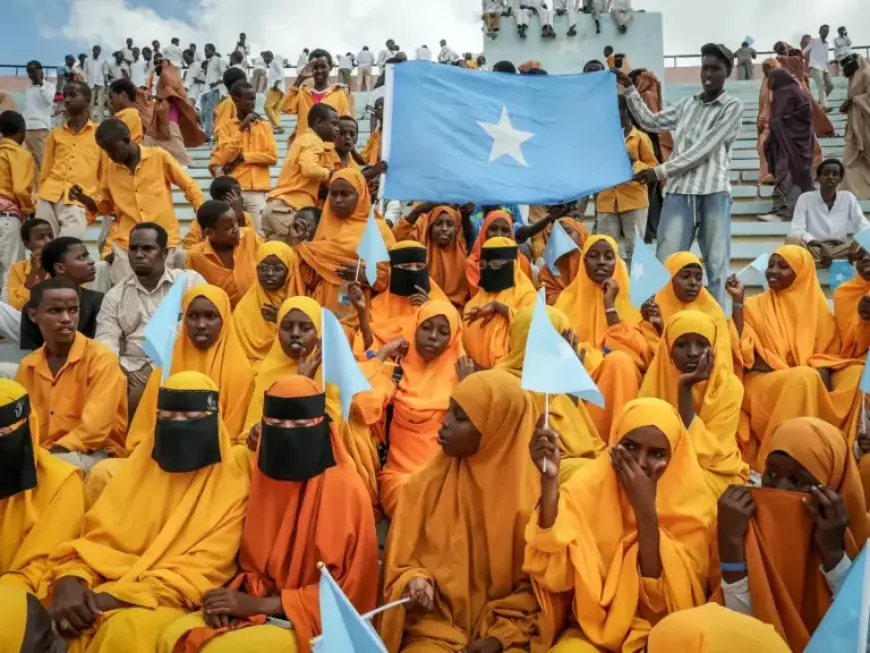
Israel’s recent recognition of Somaliland on December 26 has stirred significant geopolitical consequences beyond the immediate aspirations of Somaliland’s people. This decision reflects the shifting dynamics of international relations and the competition for influence in the Horn of Africa and Red Sea corridor.
Geopolitical Implications of Somaliland Recognition
Israel’s acknowledgment comes against a backdrop characterized by a complex interplay of regional and international power struggles. The Bab al-Mandab Strait, a critical maritime chokepoint, now represents a central arena for competition among Israel, Gulf states, Turkey, Egypt, Ethiopia, Eritrea, and China.
- Emerging “Axis of Secession”: This term describes how secessionist movements are becoming tools for geopolitical maneuvering in various regions, including Libya, Yemen, and Somalia.
- Strategic Footholds: Israel aims to establish ties with breakaway regions to expand its influence and monitor rival powers.
Competition for the Red Sea
Control over maritime routes significantly influences international commerce. As observed, approximately 10 percent of global trade transits through the Bab al-Mandab Strait. Therefore, Israel’s recognition of Somaliland positions it strategically in the Horn of Africa.
In January 2024, Ethiopia signed a controversial memorandum with Somaliland, seeking political ties in return for access to maritime trade routes. However, this arrangement proved fragile, as a December 2024 agreement reaffirmed Somalia’s sovereignty, signaling a withdrawal from previous recognitions.
China’s Role and Regional Dynamics
China’s involvement further complicates the situation. It has consistently opposed any recognition of Somaliland, viewing such actions as destabilizing. China’s policies aim to uphold Somalia’s territorial integrity while countering any precedents that could support Taiwan’s stance for independence.
The New Middle East Alliance
The recognition has spurred a realignment within the Middle East. Saudi Arabia and the UAE are finding themselves at odds, while Turkey, Qatar, and Egypt seek to counter what they perceive as destabilizing influences from the newly formed “Axis of Secession.”
- Saudi Arabia’s Concerns: Riyadh perceives rising secessionist movements as a direct threat to its regional influence.
- Somalia’s Strategic Position: With vital relationships hanging in the balance, Somalia must navigate its foreign policy carefully.
Challenges for Somaliland and Somalia
Somaliland’s push for international recognition could ironically weaken its position. Aligning with Israel may render Somaliland politically toxic among some nations and complicates its quest for legitimacy.
Domestically, opposition to Israel’s recognition is growing due to allegations of plans for Palestinian resettlement in Somaliland—a claim disputed by its leadership. Furthermore, territorial integrity is becoming more challenging, as new federal entities threaten Somaliland’s claim to its historical territory.
International Reactions
The ripple effects of Israel’s decision have bolstered support for Somalia’s sovereignty. Regional organizations and global powers, including the United States, reaffirm their commitment to Somalia’s political unity.
| Reactions to Somaliland’s Recognition | Supporting Organizations |
|---|---|
| IGAD | Reinforces Somalia’s sovereignty |
| African Union | Affirms territorial integrity |
| European Union | Supports Somalia’s unity |
Conclusions
Israel’s recognition of Somaliland underscores the complexities of secessionist movements in modern geopolitics. Rather than enhancing Somaliland’s standing, it has inadvertently solidified support for Somalia’s sovereignty within the international community.
As Somalia approaches critical elections and navigates foreign diplomacy, its internal cohesion and alignment with stable regional partners will dictate its future. The paradox of secession highlighted by Israel’s actions suggests that international recognition may not yield the desired results, but rather reinforce established territorial claims amidst an increasingly fragmented global order.