Top Countries with Surging Petrol Prices Post-Iran War

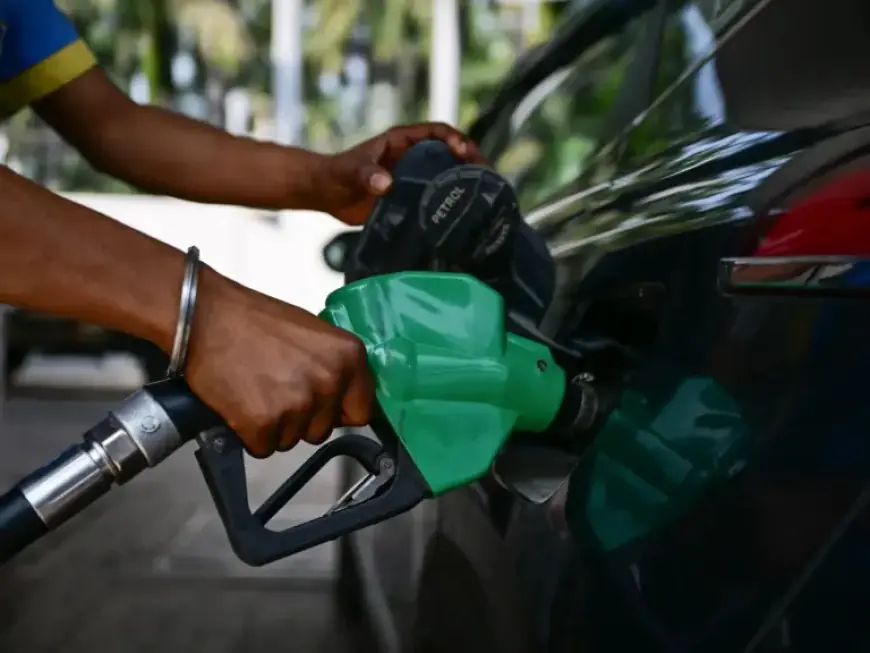
Recent geopolitical tensions between the United States, Israel, and Iran have triggered a rise in petrol prices across the globe. The conflict has particularly affected motorist expenses, with significant price hikes noted since the war commenced. Data from AAA Fuel Prices indicates that in February 2023, the average cost of a gallon of regular petrol in the U.S. was $2.94. As of now, prices have risen to approximately $3.58, reflecting an increase of around 20%.
Countries Experiencing Significant Petrol Price Increases
According to Global Petrol Prices, more than 85 nations have recorded notable petrol price rises following the onset of attacks on Iran by the U.S. and Israel on February 28, 2023. Many countries update their fuel prices monthly, suggesting that further increases may occur in April.
Leading Nations by Petrol Price Increase
- Vietnam: Nearly 50% increase, from $0.75 to $1.13 per litre.
- Laos: 33% rise.
- Cambodia: 19% increase.
- Australia: 18% hike.
- United States: 17% increase.
The Role of the Strait of Hormuz
Asia’s heavy reliance on oil from the Strait of Hormuz is significant, as this strait is crucial for oil transit to various regions. Countries like Japan and South Korea are particularly vulnerable, importing 95% and 70% of their oil, respectively. In response, both nations have implemented emergency measures to stabilize their petroleum markets.
- Japan: Prepared for strategic reserve releases on March 8.
- South Korea: Imposed price caps on petrol and diesel for the first time in 30 years.
Impact on South Asia
In South Asia, the repercussions of the conflict are felt more acutely. Countries such as Pakistan and Bangladesh face serious financial constraints, leading to government-imposed restrictions to conserve energy. For instance:
- Bangladesh closed public and private universities.
- Pakistan reduced workweek to four days and closed schools.
European Concerns Over Rising Prices
Across Europe, G7 finance ministers have convened to address the fuel price crisis. French President Emmanuel Macron has suggested that releasing 20-30% of strategic reserves may alleviate consumer pressure.
Consequences of Rising Oil Prices
Inflated oil prices often correlate directly with increases in food costs. This connection impacts various aspects of the food supply chain, from production to transportation. Rising transport costs can lead to heightened food prices, which could create food shortages, especially in lower-income nations.
Broader Implications of Oil and Gas Usage
Beyond fuel, oil and gas serve as critical raw materials for numerous products. Examples include:
- Plastics: used in packaging, electronics, and medical supplies.
- Synthetic fabrics: petroleum derivatives are essential for clothing and textiles.
- Cosmetics: items like lipsticks and lotions contain petroleum products.
- Household goods: detergents and paints are reliant on oil-based ingredients.
The influence of oil on the global economy underscores its importance and the potential threats posed by geopolitical conflicts.