Home Heating Oil in Ireland vs EU: Context or Tax Relief Path?

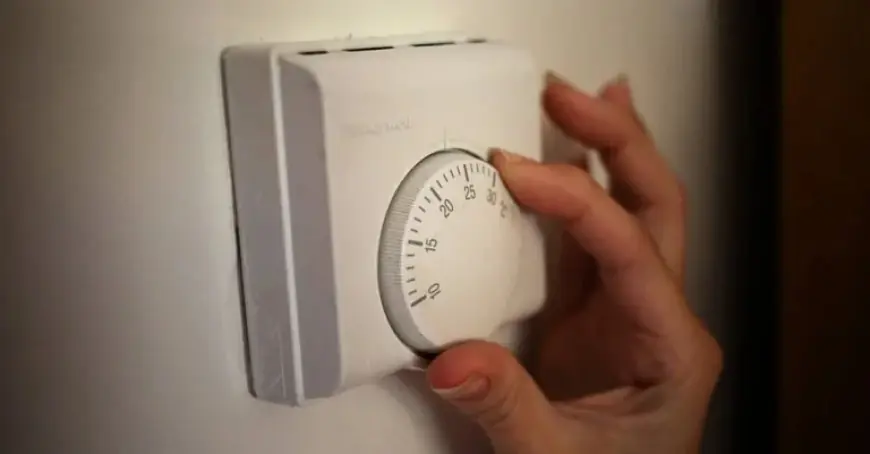
Irish consumers are confronting a sharp rise in home heating oil, while two competing explanations—and remedies—are emerging. One centers on Ireland’s reliance on kerosene and existing levies; the other urges immediate tax relief across fuels. The comparison asks: does Ireland’s unique fuel mix chiefly explain the spike, or do taxes remain the most decisive short-term lever for easing costs?
Fuels for Ireland on kerosene and the European Union gap
Kevin McPartlin, CEO of Fuels for Ireland, argues that Ireland is unlike most European Union peers because households here heat with kerosene rather than a diesel-like distillate. He points to supply exposure as a key difference: only about 5 per cent of diesel used in the EU transits the Strait of Hormuz, compared with 30 per cent of kerosene. That imbalance, he says, is where the squeeze has been felt most acutely.
McPartlin also highlights policy costs unique in a European comparison. He notes that no other EU member state pays a carbon tax on home heating oil, while Ireland does, alongside other levies introduced under government policy. His core contention: cross-EU comparisons risk being misleading if they ignore both the kerosene-versus-diesel split and Ireland’s additional charges on home heating oil.
National Oil Reserves Agency levies and the case for suspension
A contrasting view urges an immediate policy fix: suspend or scrap at least one of the fuel-related taxes to deliver relief now. With petrol and diesel prices approaching two euro per litre, this view contends that approximately 60 per cent of pump prices flow to the Exchequer through five levies—excise duty, the National Oil Reserves Agency levy, carbon tax, the Better Energy levy, and VAT at 23 per cent.
The argument warns against headline-grabbing one-off payments that leave annual hikes in excise duties and carbon taxes untouched. It frames decisive action on taxes as the most direct way to ease pressure on household budgets already stretched by the cost of living. In this framing, tax policy is not a backdrop—it is the principal tool.
Home Heating Oil in Ireland: European Commission figures and market drivers
Fresh European Commission data provides the common yardstick. The price of home heating oil in Ireland jumped from 0. 96 euro per litre on February 23 (ET) to 1. 23 euro per litre by March 2 (ET), a 27. 3 per cent weekly rise—the largest increase among EU member states. Yet the same report placed Ireland 23rd and 24th, respectively, for petrol and diesel price increases over the same period, underscoring a divergence between heating oil and road fuels.
Minister for Health Jennifer Carroll MacNeill signaled a cautious government stance. She said ministers will not make knee-jerk decisions on home heating costs given uncertainty over how long the conflict in the Middle East will last. She emphasized gathering information and responding in a stable, predictable way, pointing to previous targeted supports such as fuel allowances as the template for action.
Ireland vs other EU states: kerosene exposure and tax levers compared
Placed side by side, the two narratives share one focal point—policy levers—while approaching the price surge from different starting lines: supply-chain exposure for kerosene versus the scale of taxes and levies. The table below aligns the main claims using the same criteria.
| Criteria | Ireland | Most EU member states |
|---|---|---|
| Household heating fuel | Kerosene | Diesel-like distillate |
| Share Strait of Hormuz | About 30% of kerosene | About 5% of diesel |
| Carbon tax on home heating oil | Yes | None on home heating oil |
| Latest weekly home heating oil change (Feb 23–Mar 2, ET) | +27. 3%, from 0. 96 to 1. 23 euro/litre | Smaller than Ireland’s increase |
| Petrol/diesel weekly ranking | 23rd/24th for price increases | Higher increases in many countries |
Analysis: On these metrics, Ireland’s heating market behaves differently from its road-fuel market and from EU peers’ heating markets. Kerosene’s higher exposure and Ireland’s unique taxation on home heating oil help explain the outsized swing. At the same time, both perspectives acknowledge that government levies are an immediate lever with potential to alter consumer costs.
The comparison establishes a clear finding: Ireland’s reliance on kerosene, combined with carbon and other levies, sets home heating oil apart from EU diesel-based markets, helping to explain why the weekly spike reached 27. 3 per cent. Yet the most actionable near-term tool debated by both sides remains tax policy. The next set of EU price figures after March 2 (ET) will test whether the gap persists. If ministers keep levies unchanged while kerosene markets stay tight, the comparison suggests Ireland’s heating bills could remain more volatile than its petrol and diesel rankings imply.