Large Tortoiseshell Butterfly Confirmed Breeding in Britain as Resident Species

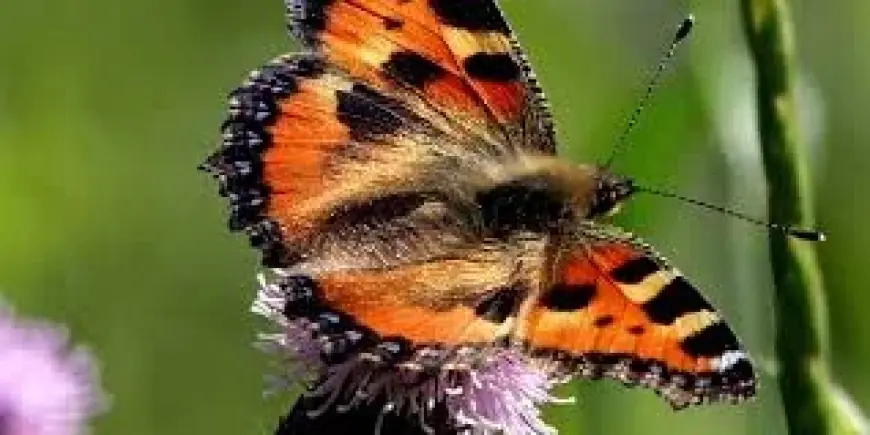
The large tortoiseshell butterfly has been declared a resident breeding species in Britain after a flurry of spring sightings across southern England, including Kent, Sussex, Hampshire, the Isle of Wight, Dorset and Cornwall. Butterfly Conservation’s decision, prompted by recent adult observations and earlier records of caterpillars, signals a potential shift from sporadic migrants to an established presence on Britain’s species list.
Butterfly Conservation Declares Resident Status
Butterfly Conservation has updated its status for the species, marking the large tortoiseshell butterfly as resident rather than merely migratory, and adding it to Britain’s native butterfly tally of 60 species. The charity’s move follows a surge of local reports, with 20 sightings recorded in recent days and the organisation noting breeding evidence that underpins the reclassification. The figures point to more consistent local presence than in previous decades, enough for the charity to change its long-standing classification.
Large Tortoiseshell Butterfly Returns in England
Scientists and lepidopterists link the comeback to multiple factors named in recent field assessments: the spread of butterflies from continental populations in the Netherlands and France, the species’ northern range limit in Britain, and rising temperatures this century described as assisting re-establishment. The loss of elm to Dutch elm disease was earlier cited as a cause of decline, while the head of science at Butterfly Conservation has said climate is likely pushing increased numbers across the European range. The pattern suggests that warmer conditions and stronger continental populations are together enabling the species to reappear and breed in southern England.
Sightings in Kent and Dorset
Field evidence now includes both adult observations and immature stages: adults have been seen in woodlands near Ashford in Kent and elsewhere, while caterpillars have been found feeding on trees in Dorset since 2020 and more widely since then, confirming breeding in the wild. Individual sightings have had notable local interest — one observer walked for five hours after a 90-minute drive and watched an individual for 15 minutes — underscoring how rare sightings have become community events. That local evidence points to actual reproduction taking place in British woodlands, not just one-off migrants.
For the moment the species is not yet judged fully re-established across many landscapes; experts have said it is “not well-established enough” to declare it back for good and widespread. The next confirmed milestone is the emergence of offspring as adult butterflies in midsummer, and if those adults take to the wing in larger numbers the data suggests a burgeoning, self-sustaining population could follow.