

























Trump’s Xenophobia and Paranoia Persist Unchanged by Age

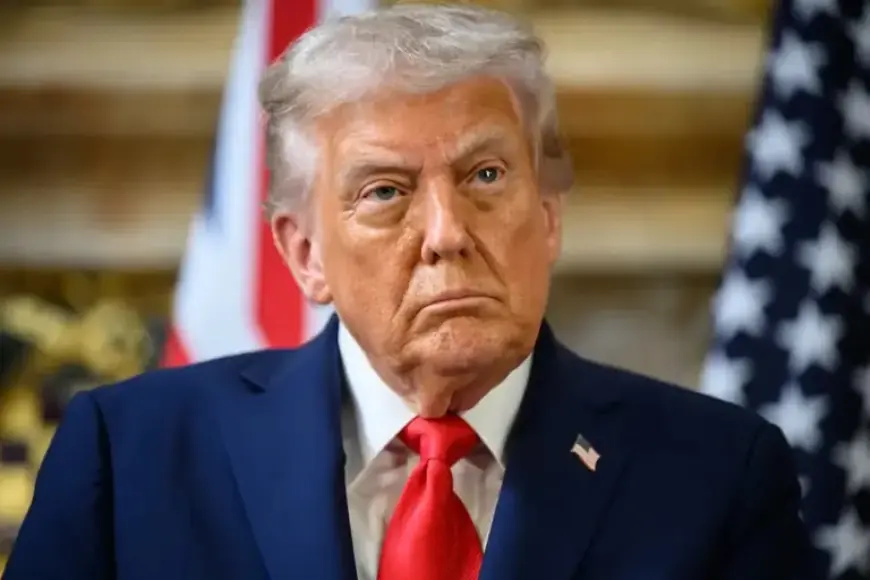
As the United States grapples with its leadership, age has become a significant factor in political decision-making. President Joe Biden, who is 82, and former President Donald Trump, approaching 80, reflect the complexities of governing in a gerontocracy. Their formative years shaped distinct perspectives on foreign policy that continue to influence their actions today.
Impact of Age on Political Worldviews
Research indicates that political worldviews are often formed between the ages of 14 to 24. Consequently, decisions made by leaders in their late seventies or eighties are influenced by outdated contexts. Joe Biden entered the Senate at 30 in 1973 and was significantly affected by events during the Cold War, notably his views on NATO and Middle Eastern politics. Conversely, Trump’s worldview, shaped in the same era, reflects a more mercantile, paranoid, and xenophobic outlook.
Joe Biden’s Foreign Policy Perspective
- Biden’s views were largely shaped by Cold War dynamics and early political experiences.
- His understanding of the Middle East evolved through experiences like the 1973 OPEC oil embargo.
- Biden strongly supported Ukraine during its conflict with Russia, citing historical parallels to Soviet aggression.
While Biden’s longstanding support for Israel has faced challenges, his reactions to contemporary conflicts reveal a reliance on outdated strategies. The misjudgments in managing relationships in the Middle East showcase the limitations of his historical perspective.
Donald Trump’s Worldview
- Trump’s political ideology is characterized by a belief in zero-sum games, prioritizing American interests above all.
- He emphasizes traditional American manufacturing, often overlooking contemporary economic realities.
- His policies lean towards isolationism, with a notable preference for autocratic leaders.
Trump’s approach to geopolitics reflects an indifference to established international alliances, suggesting a fundamental misunderstanding of modern global dynamics. His continued embrace of outdated ideas raises concerns about their relevance in an evolving world.
Challenges of Leadership and Advisory Dynamics
Both Biden and Trump rely on advisory teams, although their approaches differ. Biden is more open to advice from seasoned experts, while Trump often favors those who align closely with his views. The composition of their advisory teams significantly affects their foreign and domestic policy decisions.
| Aspects | Joe Biden | Donald Trump |
|---|---|---|
| Political Approach | Informed by Cold War experiences | Xenophobic, mercantile outlook |
| Advisory Style | Collaborative with diverse expertise | Prefers loyalists and sycophants |
| Foreign Policy Focus | Historic alliances and stability | Isolationist and confrontation-driven |
The Future of American Leadership
As both leaders navigate the complexities of their advanced age, questions about their health and mental acuity become more pronounced. Biden, facing scrutiny over his physical decline, is at risk of losing support for another presidential term. Meanwhile, Trump, despite showing a robust demeanor, also confronts health concerns that could affect his governance.
The political landscape is molded by the experiences and ideologies formed in earlier years. As Biden and Trump approach their twilight years in leadership, the implications for U.S. foreign policy could be significant as outdated worldviews struggle to adapt to modern realities. The need for fresh ideas and perspectives is more crucial than ever.