U.S. Bank Stocks Drop Amid Looming Credit Card Rate Cap Deadline

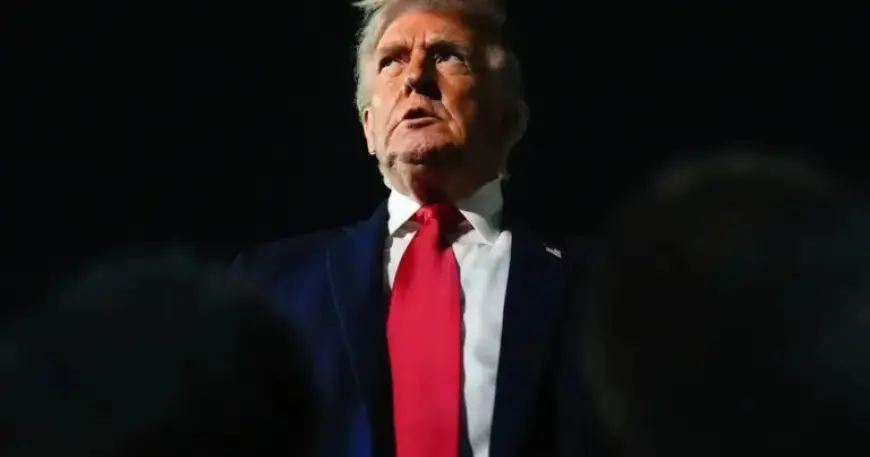
U.S. bank stocks experienced a significant decline amid uncertainty surrounding a proposed cap on credit card interest rates. Investors are closely monitoring the January 20 deadline set by the Trump administration, which aims to implement a 10% interest rate cap. The administration argues that this measure would enhance affordability for consumers, though banks caution that it could lead to decreased credit availability.
Market Reaction to Credit Card Rate Cap
As the deadline approaches, major banks reported drops in stock prices. In early trading, JPMorgan Chase shares fell by 1.6%. Bank of America saw a decline of 1.1%, while Citigroup experienced a 2.4% drop. Wells Fargo shares were down by 1.3%.
Expert Insights on the Proposed Cap
Brian Jacobsen, chief economic strategist at Annex Wealth Management, noted the uncertainty surrounding the proposal. He emphasized that if the initiative is more a call to Congress than an executive order, the market reaction could shift rapidly.
- JPMorgan Chase: -1.6%
- Bank of America: -1.1%
- Citigroup: -2.4%
- Wells Fargo: -1.3%
- Morgan Stanley: -2%
- Goldman Sachs: -1.5%
Concerns from Industry Leaders
Bank executives, including JPMorgan’s CEO Jamie Dimon, expressed concerns about the impact of the interest rate cap on consumers. They warned that limiting interest rates could significantly affect banks’ profitability, specifically their interest income, which is a crucial revenue source.
Dimon indicated that JPMorgan is contemplating various responses, including potential legal action, as the administration’s stance against the financial sector intensifies. This includes investigations into key banking figures and policies perceived as restrictive.
Potential Alternatives and Compromises
Analysts predict that the administration may seek a political compromise rather than enforcing the 10% interest cap. They suggested that credit card providers might introduce more consumer-friendly options. For example, banks might offer lower rates for select customers or create simplified ‘no-frills’ credit cards.
- Conciliatory gestures by banks may include:
- Lower rates for select consumers
- No-frills cards with a 10% interest cap but without rewards
- Lower credit limits
Further, White House economic adviser Kevin Hassett proposed the idea of “Trump cards,” suggesting that banks voluntarily issue them rather than facing mandated laws. However, specifics on these cards have yet to be revealed.
In conclusion, as the January 20 deadline approaches, the implications of the proposed credit card interest rate cap continue to create volatility in the U.S. banking sector. Investors and industry leaders alike await further developments from the administration.