

























Study Reveals Americans Bear 96% of Tariff Costs

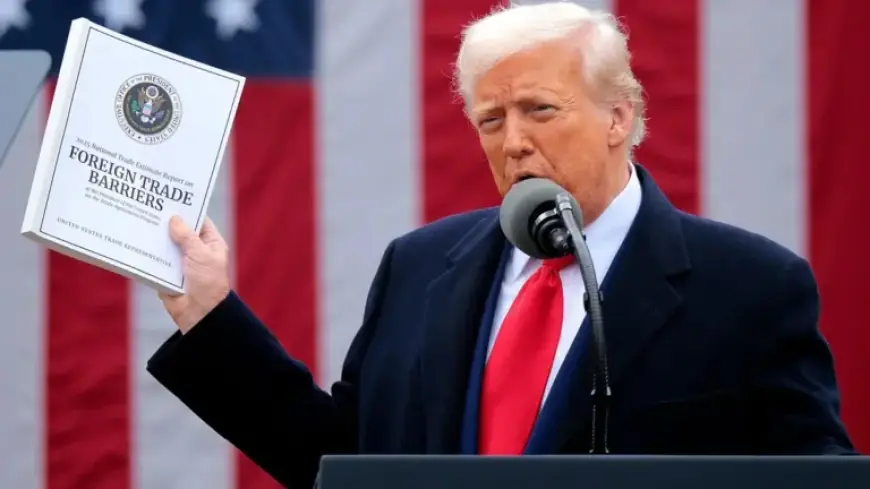
A recent study has revealed that American consumers bear the brunt of tariff costs in the United States. This analysis, conducted by the German Kiel Institute for the World Economy, points out a critical misconception propagated during the Trump administration regarding tariffs. The report asserts that 96% of the tariffs imposed on imported goods are ultimately paid by U.S. importers and consumers.
Key Findings of the Study
The Kiel Institute study emphasizes that only a mere 4% of the tariff burden is shouldered by foreign exporters. The research highlights several essential points:
- Prices in the U.S. have risen almost one-for-one with the implemented tariffs.
- Foreign nations have seen a notable decline in the quantity of goods exported to the U.S.
- When tariffs increase, exporters keep prices stable rather than cutting prices to maintain market share.
Impact of Tariff Increases
According to the study, a significant increase in tariffs, such as a 25% tax, only results in a minimal counteraction in export prices—in this case, a reduction of less than 1%. Therefore, if the government collects $100 in tariff revenue, about $96 comes directly from U.S. consumers.
Financial Impact on Americans
In fiscal year 2025, the U.S. government generated approximately $195 billion from tariffs. Based on the study’s conclusion, American consumers effectively contributed around $187.2 billion of that total. This translates to an average cost of $758 per adult in the United States.
Why Foreign Exporters Do Not Lower Prices
The study identifies several reasons why foreign companies, such as those in India, are not reducing prices in response to the tariffs:
- Alternative markets are available, reducing reliance on the U.S.
- Lowering prices has little impact against significant tariff barriers.
- Temporary tariffs discourage price reductions due to fear of future negotiations.
- Established supply chains create a barrier to switching suppliers, giving existing exporters leverage.
Economic Effects of Tariffs on the U.S.
Despite initial fears of a potential recession due to these tariffs, the American economy has adjusted better than anticipated. However, the financial pressure on consumers remains substantial:
- The average household faced an increase in costs of about $1,700 due to tariff-driven price hikes.
- Some studies suggest that increased tariffs may paradoxically lower inflation rates.
The federal government benefits significantly from these tariffs, which could be proposed for use in various ways, such as income tax relief or one-time payments to citizens. Yet, these plans are complicated by the substantial federal income tax intake of $2.4 trillion and potential legal challenges to tariff policies.
In conclusion, the findings from the Kiel Institute strongly reinforce that the primary financial burden of tariffs falls on American households rather than foreign producers. As researchers note, “the tariffs serve as a consumption tax on American businesses and households,” leading to wealth transfers from consumers to the U.S. Treasury.