























Harry Reid’s Nuclear Move: Unpacking the Decision

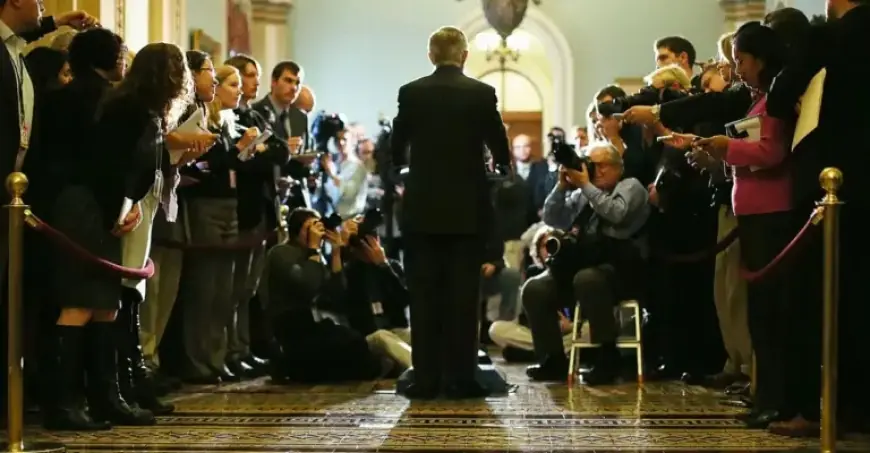
Harry Reid, the influential Senate Majority Leader, made a significant decision in 2013 that transformed Senate rules regarding judicial nominations. This move, often referred to as the “nuclear option,” fundamentally changed how nominations could be approved in the U.S. Senate.
Background on Harry Reid
Harry Reid grew up in Searchlight, Nevada. His experiences shaped his understanding of fairness and rules. This philosophy guided him for over five decades until he faced unprecedented challenges as Senate Majority Leader.
Frustration with the Filibuster
By late 2012, Reid was increasingly frustrated with the Republican filibuster tactics, which he believed hindered President Barack Obama’s judicial nominees. In 2005, during the Bush administration, Reid had defended the filibuster against similar attempts by Republicans to eliminate it. That historic context greatly influenced his future decisions.
The 2013 Decision
By early 2013, Reid was prepared to limit the filibuster for lower-court nominations. The nomination of former Republican Senator Chuck Hagel as Secretary of Defense pushed Reid to take action. For the first time, a filibuster occurred against a Secretary of Defense nomination, signaling an urgent need for change.
Gathering Support
Reid faced pushback even from within his party. Some Democratic senators were reluctant to abandon the filibuster. However, Reid argued that a supermajority requirement was obstructing essential judicial appointments. Influencing his caucus required patience and strategic argumentation.
- Key Opponents: Senators Carl Levin, Joe Manchin, and Mark Pryor voted against the rules change.
- Key Supporters: High-profile Democrats like Patty Murray and Chuck Schumer eventually supported the move.
Impact of the Nuclear Option
On November 21, 2013, Reid successfully invoked the nuclear option, allowing most presidential nominations to proceed with only a simple majority. The final tally was 52-48, with the three aforementioned Democrats opposing the change.
Reactions and Consequences
The decision sparked significant debate. Republicans claimed the maneuver was a distraction from pressing issues like the Affordable Care Act. Reid, however, felt that the integrity of the judicial process was at stake.
Reid later acknowledged that his move might have unforeseen repercussions. The partisan landscape shifted when Donald Trump became president in 2017, leading Senate Republicans to extend the nuclear option to Supreme Court nominations.
Reid’s Legacy and Reflections
Reid maintained that he had no regrets about invoking the nuclear option. Even as some Democrats expressed remorse, he believed the Senate’s operational difficulties warranted such a radical shift in rules. His tenure marked a pivotal point in U.S. political history, encapsulating a shift in strategic approaches for both parties.
Final Thoughts
Harry Reid’s decision to implement the nuclear option remains a deeply discussed subject in American politics. His actions continue to influence the legislative landscape, illustrating the delicate balance of power within the Senate.