TACOs Serve War-Themed Content with Military Insight

The ongoing conflict involving the United States and Iran has spurred considerable discussion about military communications and perceptions of warfare. Various viewpoints emphasize the consequences of how military actions are portrayed, particularly by political leaders. This aspect of the issue raises important questions regarding the portrayal of war themes in media, especially regarding its impact on public perception and the ethical responsibilities of those in power.
Donald Trump and War Communications
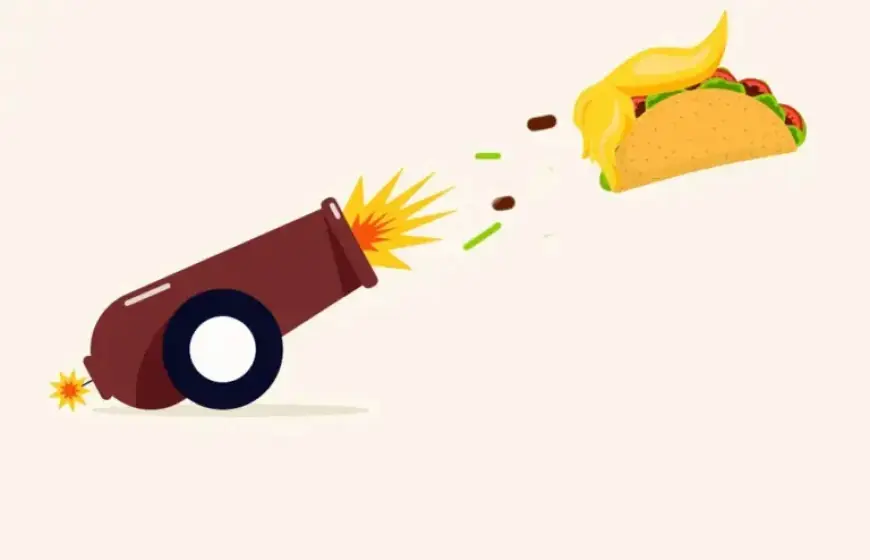
Former President Donald Trump’s administration has been characterized by its handling of military operations against Iran. Notably, the phrase “TACO,” which stands for “Trump Always Chickens Out,” reflects his tendency to reverse course on aggressive military posturing after market reactions. This acronym originated from Trump’s pattern of backing down from aggressive tariff threats last year.
Market Reactions and Military Strategy
- Date: February 28
- Event: Trump criticized Iran for an attack while showing uncertainty about military operations.
On February 28, Trump stated that the conflict could conclude soon, which rallied stock prices and led to a significant downturn in oil prices. Markets reacted favorably to his suggestion of a speedy end to warfare, illustrating how political remarks can sway economic conditions.
However, during another presentation, he adopted a hawkish stance, conveying messages of determination in achieving military victory. Trump juxtaposed this with his off-the-cuff remarks that indicated a desire for a swift resolution, raising skepticism about his true objectives.
The Role of Media in Warfare Perception
The portrayal of military actions has evolved, particularly with the advent of social media. Critics argue that the presentation of military strikes resembles a sensationalized highlight reel rather than a serious depiction of combat. This trend has sparked concern among veterans and military professionals.
The Concept of “War Porn”
The term “war porn” has emerged to describe these stylized representations, which often obfuscate the gravity and real implications of military actions. Veterans assert that war is not a form of entertainment, emphasizing the need for serious discourse about the strategic context of military actions.
Implications for Future Military Engagements
As communication strategies shift along with social media trends, military leadership faces the challenge of maintaining credibility. Historically, updates on military operations came from reputable sources such as commanders or journalists embedded in the field. However, this balance is threatened when war imagery is produced primarily for political purposes rather than public enlightenment.
Expectations for Military Transparency
- Concern: Military actions should not be trivialized.
- Necessity: Transparency in military operations is crucial for public understanding and support.
The complexity of war and its implications demand a nuanced approach to communication. Portraying military actions with respect and gravity not only honors those involved but also serves the public interest. Understanding the realities of combat is essential in a democratic society, informing citizens about the true nature and costs of warfare.
As discussions continue regarding U.S. military actions in the Middle East, the necessity for responsible communication resonates strongly. The way these issues are presented will inevitably affect public perception and the future trajectory of military engagements.