

























EU ‘E-Car’ Hype Fades from 49 Affordable Models to Just One

European car manufacturers are expressing concerns about the dwindling market for affordable vehicles. The prevailing issue stems from rising car costs due to strict EU regulations on safety and electrification. Manufacturers argue that these regulations have created a competitive disadvantage for them compared to cheaper, often imported, Chinese cars.
The Decline of Affordable Models
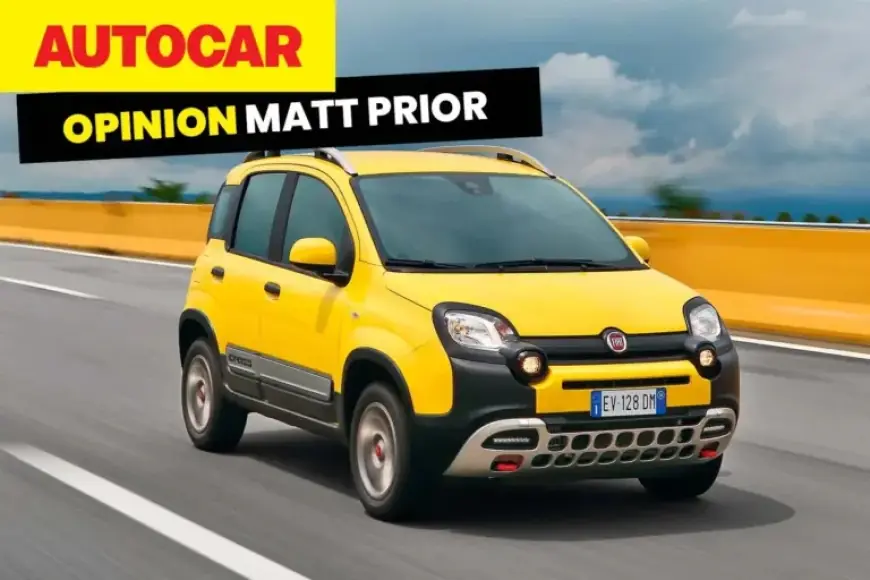
In 2019, there were 49 car models available in Europe for less than €15,000. As of now, only one remains: the Fiat Panda, a product of Stellantis. According to Stellantis chairman John Elkann, this dramatic decrease underscores the challenges facing European automakers.
With increased prices, consumers find themselves with limited options. They can choose to:
- Purchase less expensive Chinese models.
- Take on larger loans to afford local vehicles.
- Hold onto their existing cars.
More Europeans are opting to keep their current vehicles rather than invest in new, expensive cars, which has a negative impact on domestic automotive manufacturers.
EU’s Response to Affordable Cars
The European Commission is aware of the automotive industry’s significance for employment across the continent. In September, Commission President Ursula von der Leyen acknowledged the desire for affordable European cars. She stated that plans for a new initiative focused on small, affordable vehicles, termed ‘E-car’, would be developed.
Importantly, ‘E’ signifies ‘European’, ‘environmental’, and ‘economical’, rather than exclusively ‘electric.’ Von der Leyen emphasized the importance of electric vehicles in the future of mobility, confirming that Europe will be a key player in this shift.
The Environmental Impact of Small Cars
Small cars have drawn attention for their environmental advantages. Former Renault Group CEO Luca de Meo pointed out that these vehicles can have up to 75% lower environmental impact over their lifetime compared to larger cars. However, the current automotive landscape prioritizes larger models due to profitability concerns.
As car manufacturers face challenges in producing smaller models under existing safety and electrification mandates, they seek clarity on potential regulatory reforms. The future of affordable small cars in Europe hinges on balancing safety requirements with the economic viability of production.
In conclusion, the success of the proposed E-car initiative will depend on the EU’s ability to reshape regulatory frameworks, enabling manufacturers to offer affordable and environmentally friendly options without compromising safety standards.