Geopolitical Tensions Widen Dollar Losses, Fuel ‘Sell America’ Trend

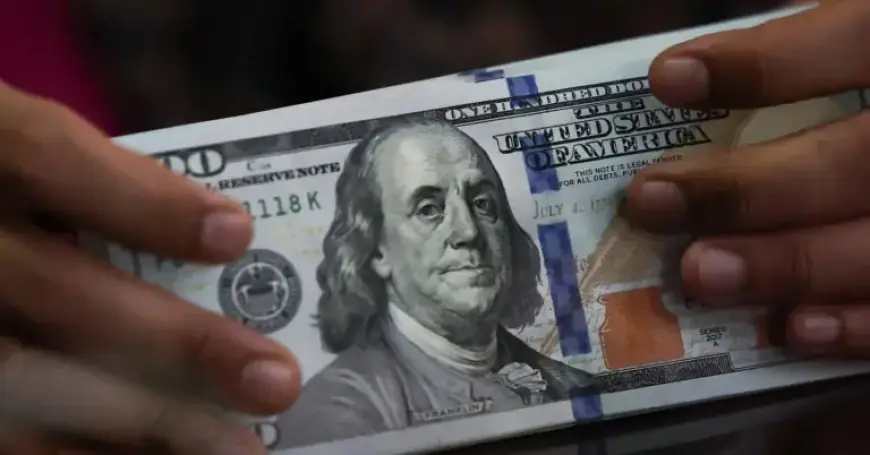
Geopolitical tensions have intensified, leading to significant declines in the value of the U.S. dollar. Concerns over the future of Greenland have triggered a sell-off in U.S. assets.
Dollar Decline Amid Political Uncertainty
On January 20, 2023, the dollar fell for the second consecutive day in Asian trading. This drop followed renewed tariff threats from the White House aimed at the European Union.
- The dollar index decreased by 0.2%, reaching 98.891.
- This is the lowest level since January 13, 2023.
The reduced confidence in U.S. markets stems from fears of ongoing uncertainty and potential retaliation due to these geopolitical tensions.
Impact on U.S. Markets and Global Currencies
President Donald Trump’s latest threats have reignited a “Sell America” trend. This has led to declines in U.S. stocks and bonds. Investors are wary of an uncertain economic landscape, according to market analysts.
- The yield on the U.S. 10-year Treasury bond increased by 3.0 basis points, reaching 4.2586%.
- Fed fund futures indicate a 95% probability that the Federal Reserve will maintain interest rates in the upcoming two-day meeting.
- The euro rose by 0.1%, trading at $1.1658.
- The British pound also gained 0.1%, reaching $1.3437.
Market experts emphasize that doubts remain regarding the implementation of new tariffs. They note that uncertainties surrounding de-dollarisation are outweighing concerns related to European and British economic growth.
International Currency Movements
As tensions escalate, several other currencies have also shown notable shifts:
- The dollar dipped 0.1% against the Japanese yen, trading at 157.905.
- Against the Chinese yuan, the dollar hit a low of 6.9540, the weakest since May 2023.
- The Indonesian rupiah fell to a record low of 16,985 against the dollar due to concerns regarding central bank independence.
- The Australian dollar increased by 0.2% to $0.6727.
- The New Zealand dollar climbed 0.5% to $0.58265, marking its highest level this year.
The People’s Bank of China has held its benchmark lending rates steady for eight consecutive months, adding further stability to its currency amidst global uncertainties.
In summary, increasing geopolitical tensions, particularly surrounding U.S.-European relations, have led to a decline in the dollar. The “Sell America” trend reflects broader concerns regarding U.S. leadership and international economic stability.