
























Texas Geological Survey Discovers 1.6 Billion Barrels of Oil

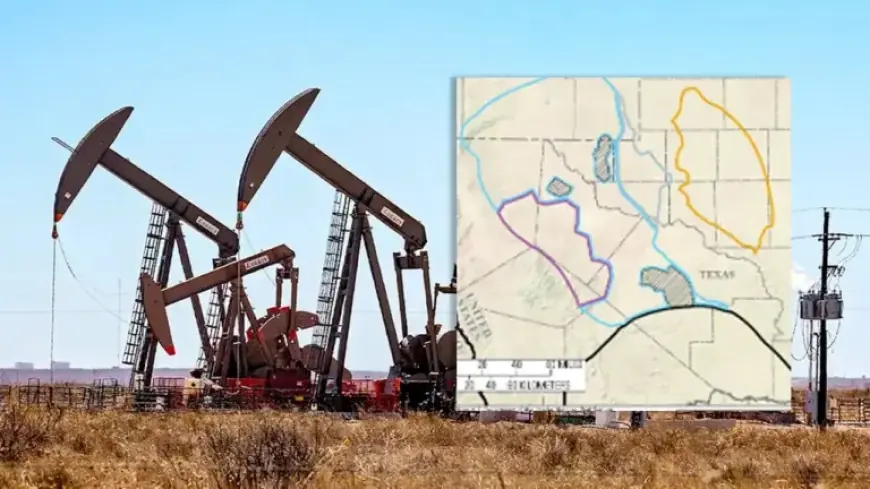
A recent assessment by the U.S. Geological Survey (USGS) has unveiled significant oil reserves in Texas’ Permian Basin. The report indicates the existence of 1.6 billion barrels of recoverable oil, along with 28.3 trillion cubic feet of natural gas. These findings have substantial implications for energy consumption in the United States.
Texas Geological Survey Discovers 1.6 Billion Barrels of Oil
The newly discovered resources are situated in the Woodford and Barnett shales, areas that have historically produced minimal amounts of oil. To date, these shale formations have yielded only a day’s worth of U.S. oil consumption. This assessment highlights a major opportunity to harness previously untapped energy sources.
Key Findings from the Assessment
- 1.6 billion barrels of technically recoverable oil.
- 28.3 trillion cubic feet of natural gas.
- Potential to supply the U.S. gas needs for 10 months.
- Potential to supply the U.S. oil needs for 10 weeks.
Historical Context and Production Challenges
Since the late 1990s, the Woodford and Barnett shales have produced approximately 26 million barrels of oil. This amount is relatively small, equating to just one day’s consumption in the United States. Historically, the depth of the undiscovered deposits inhibited exploitation, but advancements in production technologies have now made extraction feasible.
Insights from USGS Officials
Ned Mamula, the director of the USGS, emphasized the importance of these findings. He stated that the economy and lifestyle of the U.S. are closely tied to energy resources. The USGS assessments indicate significant undiscovered resources in the Permian Basin’s Woodford and Barnett shales.
Conclusion
These discoveries have the potential to reshape energy consumption in the United States. Continued exploration and development of these resources could enhance energy security and support economic growth. For further updates and insights, keep visiting Filmogaz.com.