Itv Live scramble: 20-minute on-air pivot after studio evacuation sparks scheduling shock

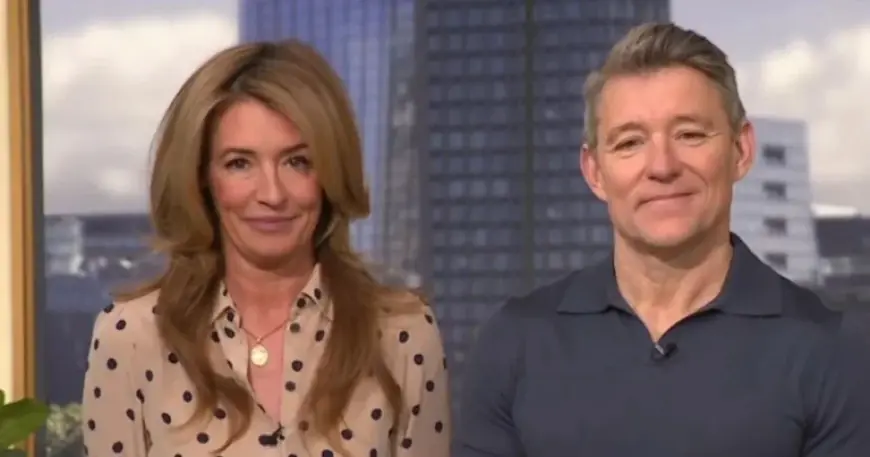
In a rare live broadcasting disruption, an on-air evacuation of the Good Morning Britain studio sent programming into immediate contingency, forcing This Morning onto screens 20 minutes early — a move that presenters later framed as a scramble to keep the chain running. The itv live interruption saw hosts unexpectedly move between studios after a fire alarm; the sequence exposed logistical fragilities in daytime scheduling and prompted sharp on-air exchanges about who was responsible for the unscheduled switch.
Background & context: how a fire alarm cascaded through the morning schedule
The disruption began when a fire alarm prompted an evacuation of the Good Morning Britain studio during its planned 6: 00 am ET to 10: 00 am ET block, with hosts not returning to the sofa after an advertising break at about 9: 40 am ET. As a result, This Morning, which normally begins at 10: 00 am ET, was pushed into action roughly 20 minutes early. Presenters who found themselves unexpectedly on air described being unaware they were live until the sequence had already begun, while coverage adjustments later included a shortened afternoon runtime — the show finishing at 12: 15 pm ET rather than its usual 12: 30 pm ET to accommodate live racing coverage.
Deep analysis: operational pressures and the limits of on-the-fly broadcasting
Live television depends on tightly choreographed gallery and studio coordination; an unplanned evacuation breaks that choreography and forces rapid reassignment of on-air talent and technical staff. The itv live incident illuminated how a single safety procedure — the instruction to leave the studio — rippled across adjacent programs. On-air remarks underscored tensions created by swift decisions: one host described being switched on without warning, while another framed the handover as covering a gap left by colleagues during an emergency exit. The need to protect staff safety rightly takes priority, but contingencies for immediate viewer-facing continuity appeared strained during the incident.
Operationally, the incident also intersected with pre-planned scheduling adjustments: daytime programming later that week was modified to clear the schedule for live racing from Cheltenham, shortening one program’s runtime by 15 minutes. Those two factors — emergency contingency and planned schedule realignment — combined to create a visible sense of turbulence across a morning of live broadcasts.
Itv Live scheduling fallout and presenter perspectives
On-air comments from those involved framed both the human and procedural sides of the disruption. Ben Shephard, presenter, This Morning, said, “Thank you. At least you’ve told us we’re on air because the person who flicked us up on air, didn’t tell us at all!” Cat Deeley, presenter, This Morning, added a rueful note: “We are early because there was an alarm going off in the GMB studio. ” From the evacuated studio, Susanna Reid, presenter, Good Morning Britain, said she could hear the alarm in her earpiece and apologised: “Ben and Cat, we can only apologise. ” Ed Balls, presenter, Good Morning Britain, described following instruction from staff: “We were following the fire marshal who said ‘Go that way!'” and recounted confusion in the control room when staff realised they were still live: “The gallery and the director said, ‘Hang on a sec, we’re still live on television!'”
Other daytime hosts also referenced broader schedule changes that week: Christine Lampard, presenter, Lorraine, closed a recent episode by telling viewers Lorraine would be off for a few weeks; Kaye Adams, presenter, Loose Women, noted her programme would pause for a period as well. Those planned pauses, combined with the emergency diversion, tightened the margin for error in coordinating live handovers.
The itv live interruption underscored two practical realities: live broadcasters must prioritise safety while maintaining viewer service, and visibly imperfect handovers can erode viewer confidence even when staff act appropriately under pressure.
Looking ahead: what this moment means for live daytime television
Producers and operations teams will likely re-evaluate protocol for cross-studio contingencies and last-minute handovers, balancing safety directives with clearer gallery-to-presenter communication. The public exchange between presenters about who knew what in the control room illuminates a simple fix: ensure presenters are alerted when they are being taken live, even during rapid change. Meanwhile, the combination of emergency disruption and pre-planned schedule compression — including live racing commitments — suggests that daytime lineups will remain sensitive to both planned and unplanned events.
Will routine safety procedures and compressed schedules force a rethink of how closely linked neighbouring programmes are during peak morning hours, and can clearer backstage signaling prevent future itv live scramble moments?