
























Sun Unleashes Largest Solar Radiation Storm in 20 Years, Forecasters Report

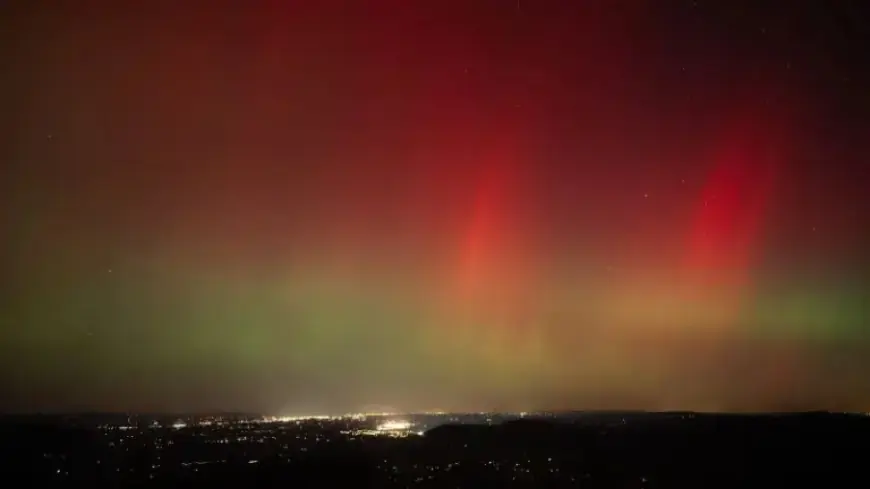
Recent solar activity has unleashed the largest solar radiation storm in over two decades. This event is expected to create stunning auroral displays across unexpected areas late Monday and early Tuesday.
Impact of the Solar Radiation Storm
The storm, categorized at a severity level of four out of five, is being monitored by the National Weather Service’s Space Weather Prediction Center (SWPC). Shawn Dahl, a SWPC forecaster, confirmed, “An S4 severe solar radiation storm is now in progress.” This significant storm mirrors conditions seen last in October 2003.
Historical Context
The Halloween storms of 2003 had notable impacts, including power outages in Sweden and transformer damages in South Africa. The current storm is anticipated to disrupt satellite communications and GPS accuracy, posing risks primarily to space activities and aviation.
Affected Parties and Preparations
- SWPC has notified several agencies including:
- NASA
- Federal Aviation Administration (FAA)
- Federal Emergency Management Agency (FEMA)
- North American Electric Reliability Corporation
Operators have been urged to prepare for potential disruptions. Astronauts aboard the International Space Station can move to more shielded areas during heightened radiation risks, similar to precautions taken during a severe geomagnetic storm in May 2024.
Risks to Technology and Satellites
Increased radiation exposure can impact both astronauts in low-Earth orbit and passengers on polar flights. During previous events, such as the May 2024 storm, disruptions were noted in GPS services for farmers reliant on precision agriculture.
Auroral Displays and Viewing Conditions
The storm is predicted to produce spectacular auroras, potentially visible over large portions of the northern United States, reaching as far south as Alabama and northern California. Clear skies in the Midwest, especially in Minnesota, will offer prime viewing opportunities.
Best Practices for Aurora Viewing
To enhance the chances of observing the auroras, follow these tips:
- Find a dark area with a clear view of the northern horizon.
- Avoid locations with significant light pollution.
- Be prepared for bursts of increased auroral activity during short substorm events.
Future Solar Activity
Experts suggest further flares from an active sunspot region are possible. Any additional eruptions within the next week may also affect Earth directly.
This solar radiation storm serves as a reminder of the sun’s powerful impact on Earth and the necessity for monitoring solar activity. For ongoing updates, visit Filmogaz.com.