Iran’s Khamenei Sanctions Force Against Protestors to Protect 1979 Islamic Regime

In early January 2026, Iran witnessed massive protests against its regime, primarily targeting Supreme Leader Ali Khamenei. Following two weeks of demonstrations, Khamenei addressed the nation on January 9, labeling protestors as “rioters” and dismissing their grievances as part of a foreign conspiracy orchestrated by the United States and its allies. His remarks included a fiery defense of the Islamic regime, reinforcing its foundation back to the 1979 Revolution, which he claimed was built upon the sacrifices of countless martyrs.
Response to the Protests
Khamenei’s speech was broadcast from Qom and was viewed as a clear endorsement of the Iranian military and security forces to act harshly against protestors. Reports indicated that following his address, there was a significant increase in violence, including a nationwide internet blackout.
- Reported deaths increased from dozens to an estimated 5,000 acknowledged by the regime, with some opposition sources claiming up to 12,000 fatalities.
- Graphic footage from within Iran depicted severe repression, including security forces firing upon citizens.
Protestors Dehumanized as Enemies
In his address, Khamenei equated the protestors to “criminals” and “mercenaries,” suggesting they were acting against the interests of the Iranian nation. He emphasized that the protests were orchestrated by foreign powers and characterized dissent as a betrayal of the country.
Military and Legal Reprisals
Following Khamenei’s incendiary remarks, Iranian officials escalated their rhetoric. On January 13, Army Commander Abdolrahim Mousavi labeled demonstrators as “ISIS terrorists” and vowed to suppress them ruthlessly. Meanwhile, Iran’s judiciary signaled an intention to expedite trials for those arrested during the protests, with reports of death sentences being issued swiftly.
- Judiciary head Gholam-Hosseini Mohseni-Eje’i announced “speedy trials” and warned against any leniency for the detention of protestors.
- Erfan Soltani, a 26-year-old protestor, faced execution shortly after his arrest, highlighting the regime’s brutal crackdowns on dissent.
International Ramifications
Khamenei’s speech asserting that the regime would remain resolute against perceived foreign aggression coincided with a personal attack on then-President Donald Trump. Khamenei compared Trump to historical tyrants and declared that his downfall was imminent.
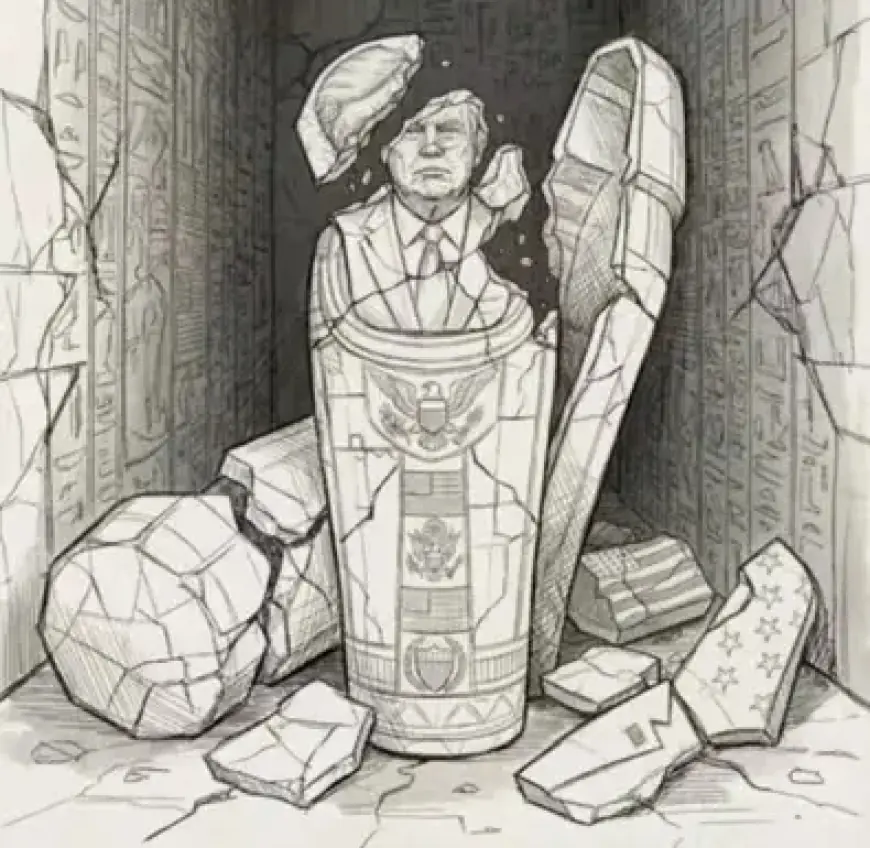
On January 12, Khamenei posted a graphic on social media, portraying Trump as a pharaoh in an ancient sarcophagus, symbolizing his predicted demise. This post showcased the regime’s attempts to frame the protests within a broader narrative of external threats and internal corruption.
The Struggle for Control
The Iranian leadership, particularly Khamenei and military officials, portrayed the protests as a threat to national security. They insisted that unity and Islamic values must prevail to withstand internal strife and external pressures.
- Khamenei claimed that the essence of the Islamic Republic’s strength lay in its moral and ideological foundations.
- He reiterated the regime’s ongoing commitment to eliminating any opposition that could undermine its authority.
The tumultuous events in Iran reflect an ongoing battle between the government and citizens striving for change, marking yet another chapter in the country’s complex socio-political history. Such incidents underscore the precarious state of governance and the lengths to which authorities will go to maintain their grip on power.