Matthew Yglesias Explores Why The Dream Still Matters

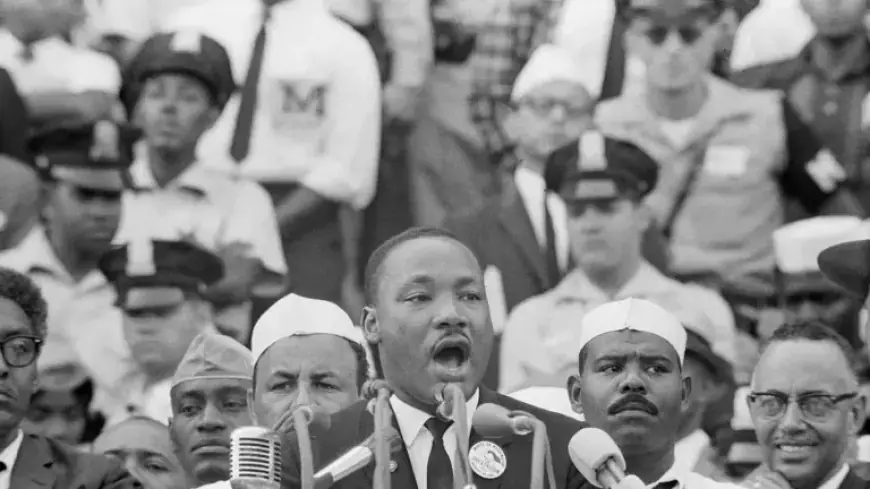
In a recent discourse on racial equality, the enduring relevance of Martin Luther King Jr.’s vision is being examined through various societal contexts. King famously dreamed that people would be judged not by their skin color but by their character. This notion has sparked debates, particularly in relation to progressive policies and their impact on race relations.
The Evolution of King’s Dream
For many years, King’s iconic phrase has been invoked by conservatives to challenge initiatives focused on diversity and affirmative action. Critics argue that reducing King’s vision to an individualistic perspective diminishes its true essence. King’s aspirations went beyond mere individualism; they encompassed a broader economic transformation.
King’s Economic Vision
- “Every valley shall be exalted” speaks to economic upliftment.
- “Every hill and mountain shall be made low” denotes addressing systemic injustices.
- The overall vision calls for unity across racial lines, highlighting a shared human experience.
This deeper interpretation of King’s dream is increasingly significant in light of contemporary events. Current political and social climates, particularly those influenced by the Trump administration, have raised concerns about racial profiling and systemic discrimination.
Contemporary Implications of Racial Profiling
Recent discussions have centered around the treatment of Somali Americans and working-class Hispanics. Under the current administration, policies have emerged that seem to embrace collective guilt, echoing sentiments of racial and ethnic profiling. The legal justification for such actions has been supported by conservative legal thought, illustrating a troubling acceptance of discrimination.
The Past and Present of Discriminatory Policies
Historically, desperate measures like post-September 11 security protocols targeted specific ethnic groups. Conservatives often defended these policies as a necessary evil, advocating for racial profiling under the guise of public safety. However, such practices stand in stark contrast to King’s belief in individual assessment.
The Call for Individual Assessment
King’s call to evaluate individuals based on personal attributes rather than broad stereotypes remains paramount. While policies regarding immigration or workforce participation are complex, they must involve individualized assessments to ensure fairness. A robust dialogue on these issues is necessary for social progress.
The Need for Political and Moral Reform
The pursuit of equality requires that individuals be treated as equals under the law. This notion extends beyond political rhetoric; it demands genuine commitment from policymakers. Unfortunately, many Republicans have appeared to embrace selective civil liberties, highlighting a gap between their stated principles and actual practices.
Revisiting the essence of King’s dream can provide a framework for necessary change in modern society. Emphasizing character over skin color and advocating for individual rights are essential for constructing a more equitable future, in line with what King envisioned. The importance of these discussions at Filmogaz.com underscores our role in promoting a fair social narrative.