




















Trump Threatens Europe Tariff, Rekindles ‘Sell America’ Trade Debate Over Greenland

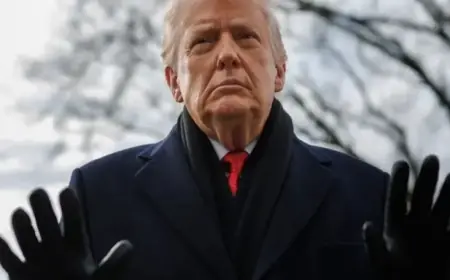
The recent tariff threats from U.S. President Donald Trump have caused a stir among European allies. This resurgence of trade debate comes in the wake of tensions concerning Greenland and rekindles discussions on the ‘Sell America’ trade policy.
Market Reactions to Tariff Threats
Stock markets experienced noticeable declines following Trump’s announcements. European equities fell by over 1%, while U.S. stock futures reflected similar weakness after the recent holiday. The U.S. dollar, often regarded as the world’s primary reserve currency, showed signs of softness.
Details of Proposed Tariffs
Trump has proposed an initial 10% tariff on goods from several European countries, effective February 1. This tariff is set to escalate to 25% by June 1. The potential for these tariffs has renewed concerns about a trade war.
Currency Movements and Investment Sentiment
- The euro rebounded from lows not seen since late November.
- Other currencies, including the British pound and Scandinavian currencies, also recovered.
- The Swiss franc experienced its largest daily gain against the dollar in a month.
Francesca Fornasari from Insight Investment noted the heightened concern among investors regarding asset management amid these developments. Despite the potential downward movement of the dollar, strong economic indicators from the U.S. may provide some support.
Potential European Responses
The European Union (EU) has several options for retaliation against U.S. tariffs, including the implementation of an “anti-coercion instrument.” This tool could restrict U.S. access to public contracts, investments, or banking services.
The Wider Economic Impact
The financial landscape is complex. The U.S. Treasury market, valued at approximately $30 trillion, presents challenges for international investors seeking diversification. Furthermore, European countries’ holdings of U.S. equities and bonds total around $8 trillion, highlighting the interconnectedness of their economies.
George Saravelos from Deutsche Bank emphasized uncertainties regarding European investors’ willingness to sell dollar assets in light of these tensions. While the EU may aim to encourage investments in euro-denominated assets, achieving significant shifts may prove difficult.
Future Considerations for Investors
Analysts agree that the current market conditions are unlike those seen the previous year. Although the dollar has stabilized following a significant drop, there remains a strong appetite among investors for diversification beyond U.S. equities.
Capital Economics has projected that countries like the UK and Germany could face a substantial economic impact if tariffs continue to rise, estimating a possible reduction in output of 0.2% to 0.3%. Trade uncertainties have significantly affected investment from German firms in the U.S., which saw nearly a 50% decline from the previous year.
As discussions surrounding U.S. tariffs continue, the implications for both sides of the Atlantic remain to be seen. Investors are cautious yet optimistic about economic recovery, signaling a cautious approach to potential geopolitical risks.