
























Honor a Monarch, Not a Politician

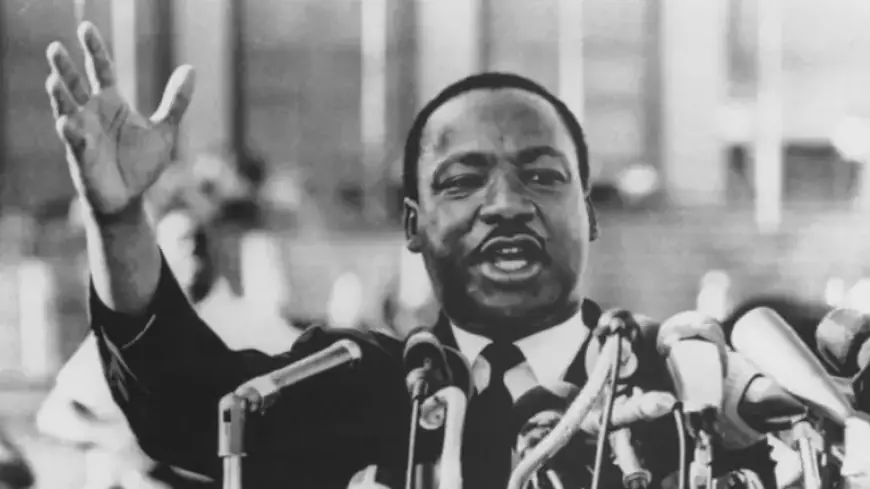
The ongoing debate surrounding the legacy of Martin Luther King Jr. contrasts starkly with political developments in the United States. Recent comments from Rep. Lauren Boebert, a Republican from Colorado, highlight a disinterest in Jeffrey Epstein’s transparency law, reflecting a wider apathy toward issues of accountability and justice.
Honor a Monarch, Not a Politician
November 2, 1983, marked a significant moment in American history when President Ronald Reagan proclaimed the third Monday in January as Martin Luther King Jr. Day. This federal holiday acknowledges King’s profound impact on civil rights and social justice.
Current Administration’s Recognition
This year, the current administration did not issue a formal acknowledgment of Martin Luther King Jr. Day, a tradition many expected. Instead, a November announcement revealed that this holiday would no longer grant free entry to national parks, further fueling disappointment among supporters of civil rights.
Plans for Upcoming Events
- Flag Day, June 14, 2026: The Interior Department has designated this date as “resident-only patriotic fee-free,” a day also aligned with Donald Trump’s birthday.
- Martin Luther King Jr. Day: Continues to be observed as a significant federal holiday in the U.S.
Remembering King
To truly honor King’s legacy, individuals are encouraged to engage with his writings and speeches. Notable works include:
- Letter from a Birmingham Jail: Written in April 1963, it defends nonviolent action against injustice.
- I Have a Dream Speech: Delivered in August 1963, this speech remains a cornerstone of American rhetoric on civil rights.
- Acceptance of the Nobel Peace Prize: In 1964, King expressed hope and faith in America’s future while advocating for peace and brotherhood.
Contrast in Leadership
The stark difference in the legacies of King and current political rhetoric shows how American history values achievements and moral integrity. King’s approach emphasized unity and humanity, while the current administration often focuses on divisive tactics and personal gain.
As the nation prepares for its 250th anniversary, the need for genuine reverence toward figures like Martin Luther King Jr. persists. In moments of political chaos and uncertainty, his commitment to justice and equality serves as a reminder of the principles that should guide American citizens.