























Harris’s Team Probed Josh Shapiro’s Alleged Israeli Double Agent Links

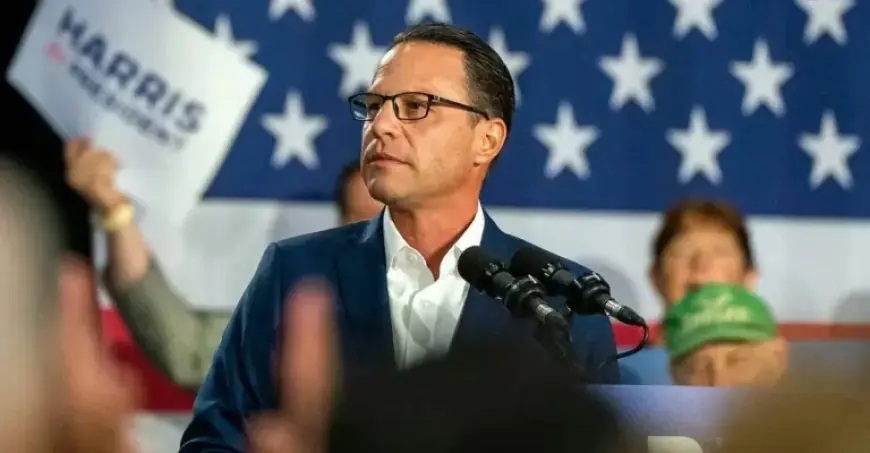
Pennsylvania Governor Josh Shapiro recently shared insights into his experience during the vetting process to potentially serve as Vice President Kamala Harris’s running mate. In his upcoming memoir, Where We Keep the Light, Shapiro recalls particularly contentious discussions, notably when he was asked whether he had ever been an agent of the Israeli government. This inquiry, made by Dana Remus, former counsel to President Biden and part of Harris’s selection team, offended Shapiro, a prominent Jewish politician.
Vetting Process Details
The interrogation intensified when Remus further inquired if Shapiro had ever communicated with an undercover Israeli agent. This line of questioning troubled Shapiro, who expressed discomfort at the implications of these inquiries. He ultimately withdrew from contention after a tense one-on-one meeting with Harris, feeling that the vetting was more aggressive than he had anticipated.
Implications of Shapiro’s Withdrawal
- Shapiro was among the most recognized Jewish politicians considered for the Democratic presidential nomination in 2028.
- Despite his popularity, he was not selected as Harris’s running mate; that role was filled by Minnesota Governor Tim Walz.
- The vetting process has drawn criticism from some Democrats, who believed Shapiro could have invigorated the ticket.
In Where We Keep the Light, Shapiro navigates sensitive topics regarding identity, politics, and religion. He elaborates on his Jewish faith and its importance to his identity and political career. The memoir also discusses Haris’s candid book, 107 Days, which detailed their meeting and drew scrutiny from Shapiro.
The Strain of Political Dynamics
Shapiro noted the political strain stemming from their dialogue. He recounted how the conversation lacked warmth and included repeated demands for apologies regarding his views on protests related to Israel’s policies in Gaza. Their meeting highlighted contrasting views on political roles and relationships within a future administration.
Challenges for Vice Presidential Candidates
- Shapiro pointed out that expectations surrounding the vice presidency can lead to significant tension.
- Harris expressed her own dissatisfaction with the limitations of the role, mentioning her lack of autonomy.
- Shapiro felt unaligned with some of Harris’s stances, particularly regarding protests and budgetary concerns for a vice president.
Despite the tension, Shapiro advocated for a more collaborative vice presidential role. However, by the end of their meeting, it was clear that they had differing visions of partnership, which ultimately influenced his decision to step back.
Reflections and Future Implications
Shapiro’s revelations about the vetting process provide a glimpse into the divisions present within the Democratic Party as they prepare for the 2028 presidential election. His experiences illustrate the complexity of securing a running mate position, especially in light of his prominence and the scrutiny that follows such high-profile selections.
As the political landscape continues to evolve, Shapiro’s memoir serves as a reminder of the obstacles faced by candidates in securing vital roles in future elections. His reflections could resonate strongly as Democrats work to clarify their positions and strategies leading up to the next presidential race.