






















Key Facts About the Iryo Train Accident: Frecciarossa ETR 1000 in Adamuz

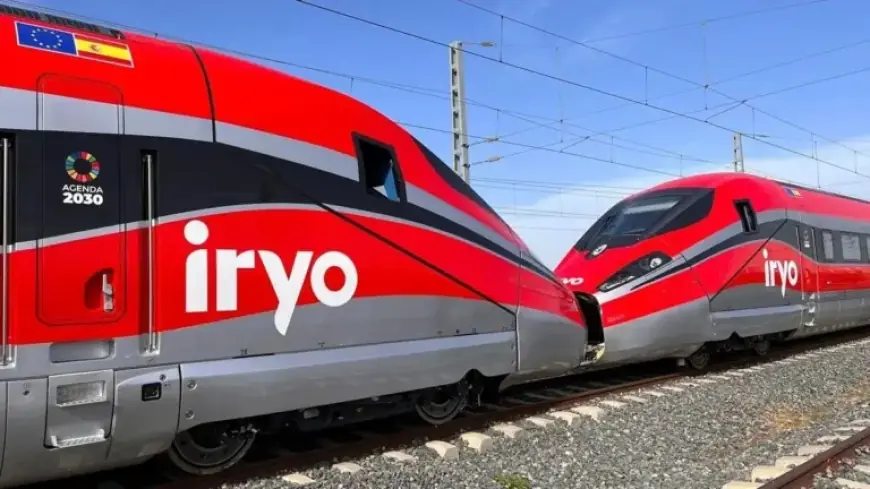
The Iryo train accident on January 18 has shocked the Spanish public. This catastrophic event involved the derailment of Iryo train number 6189 near Adamuz, shortly after departing from Málaga. Tragically, it led to 39 fatalities and over 100 injuries, marking one of Spain’s deadliest railway disasters.
Incident Overview
On January 18, the Iryo train, carrying 289 passengers, four crew members, and a train driver, departed from the María Zambrano station in Málaga at 6:40 PM. After stopping at the Julio Anguita station in Córdoba, the train derailed around 7:45 PM for reasons currently under investigation.
Collision with Alvia Train
Following the derailment, an Alvia train traveling from Madrid to Huelva collided with the affected train. This series of events has been described as one of the gravest rail tragedies in Spanish history.
Details of the Iryo Train
The train involved in the accident is a Frecciarossa ETR 1000 model. This high-speed train was last inspected on January 15, just three days before the accident. Iryo has emphasized that the train was newly constructed, having been built four years ago.
Specifications of the ETR 1000
- Manufactured by Hitachi Rail and Bombardier
- Maximum operational speed of 360 km/h
- Can reach speeds of up to 400 km/h during maximum design
- First entered service in 2015
- Capable of operating in multiple countries including Spain, France, and Germany
Passenger Capacity and Features
The Frecciarossa ETR 1000 is designed for efficiency and speed. It can accommodate 419 passengers across eight carriages. Amenities include:
- Aerodynamic design with energy-saving technologies
- 10-seat executive car
- Two business class coaches featuring a restaurant bistro
- A premium comfort coach
- Four standard coaches
Iryo’s Background
Iryo stands out as Spain’s first private high-speed rail operator, following the liberalization of rail transport that began in 2019. While it ranks second overall in terms of fleet and frequency, it is primarily owned by Trenitalia, with additional shares held by Air Nostrum and Globalvia.
This disaster has raised significant questions about railway safety and the operational protocols of private rail operators in Spain. As investigations unfold, the focus remains on understanding the circumstances that led to this horrific accident.