“28 Years Later: The Bone Temple” Turns the Franchise Darker, Weirder, and More Human — and It Just Hit Theaters

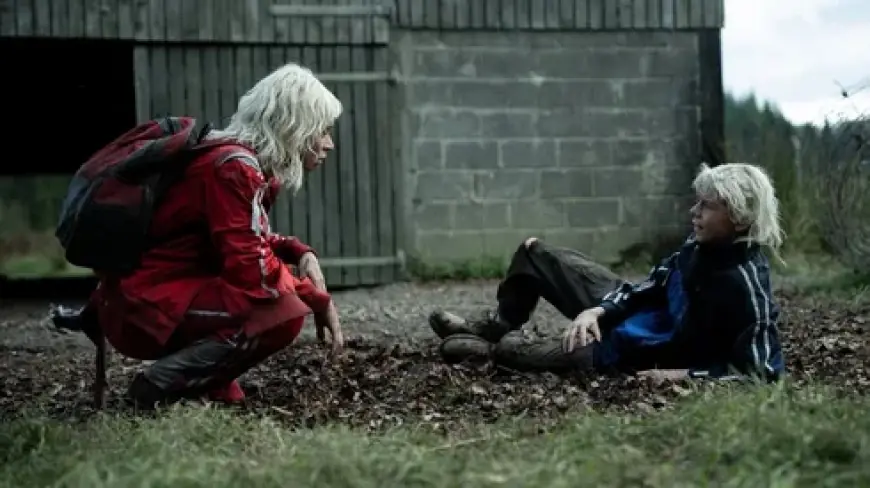
“28 Years Later: The Bone Temple” is the newest chapter in the long-running Rage Virus saga, arriving in theaters in mid-January 2026 as a direct follow-up to 2025’s “28 Years Later.” If the earlier films were built on panic and collapse, “The Bone Temple” leans into what comes after: the fragile societies that form in the ruins, the cults and rules people invent to survive, and the unsettling idea that the infected may no longer be the only threat that matters.
The movie is already generating two kinds of conversation at once. One is praise: critics and early audiences have responded strongly to its intensity and ambition. The other is business: despite strong reviews, its opening weekend landed more in “solid” territory than “blowout,” setting up a key question for the franchise’s future momentum.
What “The Bone Temple” Is About
Set decades after the original outbreak, “28 Years Later: The Bone Temple” expands the world introduced in “28 Years Later,” moving beyond simple “infected vs. survivors” survival horror into a more unsettling landscape: survivors with ideologies, hierarchies, and cruelty shaped by years of scarcity and fear.
Without spoiling major turns, the story centers on a young survivor drawn into a dangerous human faction, while another thread follows a doctor whose life’s work has become a grim memorial site — the “Bone Temple” itself, an ossuary-like structure that doubles as symbol, refuge, and provocation. The film’s title isn’t metaphorical. It’s a place with rules, rituals, and consequences.
Cast, Creative Team, and Why This Entry Feels Different
This installment is directed by Nia DaCosta and written by Alex Garland, with the film positioned as a continuation of the creative reset that brought the franchise back after years of dormancy. The cast is led by Ralph Fiennes and Jack O’Connell, alongside Alfie Williams and Erin Kellyman, with the film leaning heavily on performance and mood as much as gore.
That combination matters because “The Bone Temple” doesn’t play like a simple retread. It’s more psychological and social in how it frames danger: who gets protected, who gets used, and what communities become when they’ve lived in catastrophe for a generation.
Release Timing and the MLK Weekend Box Office Story
“The Bone Temple” opened in the United States on January 16, 2026, putting it squarely in the Martin Luther King Jr. Day weekend corridor — a period that can be strong for horror if the movie sparks urgency and repeat viewing.
The film debuted near the top of the box office but not at the level many expected for a high-profile sequel with major talent and strong buzz. It finished the weekend just behind the current box office leader, suggesting plenty of interest but also signaling that the franchise is competing in a crowded theatrical moment. The next few weeks will matter: horror sequels often rely on word-of-mouth legs, not just opening-night hype.
Why Reviews Are So Strong — and What Viewers Are Responding To
A big driver of the film’s trend status is its critical reception. “The Bone Temple” arrived with a notably high early score from critics and a wave of reactions that highlight the same themes:
-
A more emotionally charged approach to survival horror
-
Bigger swings in tone, including dark humor amid brutality
-
Distinctive visuals and set pieces anchored by the “temple” concept
-
Performances that keep the film grounded even when the world turns grotesque
In other words, people aren’t just reacting to the infected. They’re reacting to the movie’s worldview: bleak, strange, and uncomfortably plausible.
Where the Franchise Goes Next
The biggest fan question right now isn’t only “Is it good?” It’s “What does it set up?” The film is designed to push the series forward rather than simply extend it, leaving clear room for another chapter.
That has two immediate implications for audiences:
-
If you’re a longtime viewer, “The Bone Temple” plays like a bridge to an even larger story rather than a standalone epilogue.
-
If you’re new, it still works as a brutal entry point — but you’ll feel the weight of prior events in how characters talk about loss, infection, and the rules of survival.
Why “28 Years Later: The Bone Temple” Is Trending Right Now
The title itself is doing work: it’s memorable, creepy, and specific — the kind of phrase that spreads fast online. But the real reason it’s trending is the collision of factors:
-
A legacy horror franchise returning with a high-profile creative team
-
Strong reviews and heavy social chatter
-
A prominent holiday-weekend opening
-
A premise that shifts the fear from monsters to people
“The Bone Temple” isn’t just “more infected.” It’s an escalation of the franchise’s most unsettling idea: the longer the world stays broken, the more human behavior becomes the scariest part of the story.