Arsene Wenger’s Understanding of Football Explored by The Athletic

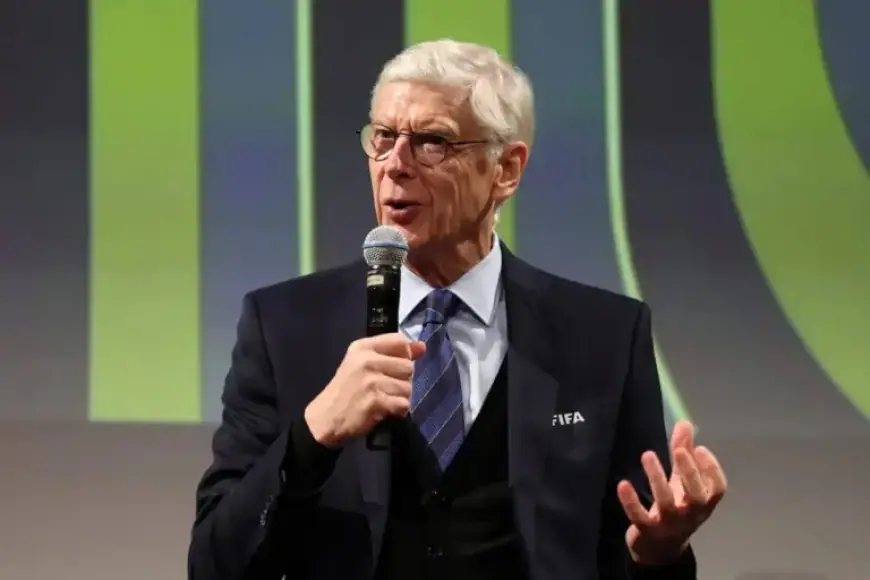
Arsene Wenger stands as one of football’s most respected figures. In 2019, he was appointed FIFA’s first chief of global football development. This role has led to questions about whether Wenger truly understands modern football’s complexities.
Wenger’s Revolutionary Impact on Football
Wenger is known for transforming football during his tenure as Arsenal’s manager. He revolutionized various aspects of the game, including player preparation and the diversity of club squads. His philosophy proposed that football could be viewed as an art form.
A Unique Perspective
While iconic figures like Johan Cruyff articulated detailed philosophies, Wenger’s approach tends to be more abstract. His autobiography, released in 2020, was seen as vague. It offered broad observations about his career rather than detailed insights.
As a manager, Wenger paid rigorous attention to off-the-pitch details. He timed training drills to perfection and made specific requests about stadium features. However, his analysis of on-field performances was less precise.
The Current Landscape of Football Management
If Wenger were to enter English football today, he might not succeed as a manager. Modern football relies heavily on tactical preparation and real-time decision-making. Wenger’s style, characterized by minimal specific game plans, would need adaptation to remain relevant.
FIFA Role and Critique of Offside Law Reforms
In his role at FIFA, Wenger has the platform to discuss broader football issues. For instance, he has proposed changes to the offside law, advocating for players to be considered onside if any part of their body is onside. His rationale aims to reduce controversy surrounding VAR decisions.
- Wenger believes his suggestions could alleviate tight VAR decisions.
- Critics argue that his reforms could create new problems, affecting gameplay and strategic approaches.
- Experts warn such changes might lead to unintended consequences, complicating officiating.
Controversial Proposals and Their Impact
Wenger’s ideas extend beyond the offside rule. He has suggested allowing players to take free kicks unassisted, a change inspired by field hockey rules. This could transform the way free kicks are executed, leading to potential surprises for defenses.
Furthermore, his advocacy for kick-ins and legalizing corners that drift out of play has sparked debate. Critics argue these changes could alter the nature of the game significantly.
Potential Consequences of Wenger’s Reforms
Wenger’s proposals could favor a more set-piece-oriented style of play. Teams might launch the ball downfield more frequently, challenging the essence of traditional football. As a result, his reforms may jeopardize the open, fluid style he once championed at Arsenal.
As FIFA’s first chief of global football development, there’s concern that Wenger’s insights may do more harm than good to the sport. His historical significance in football is undeniable, but the questions surrounding his understanding of the game today remain pertinent.