




















Bears vs. Rams: Divisional Round Showdown at Soldier Field Pits Caleb Williams Against Matthew Stafford

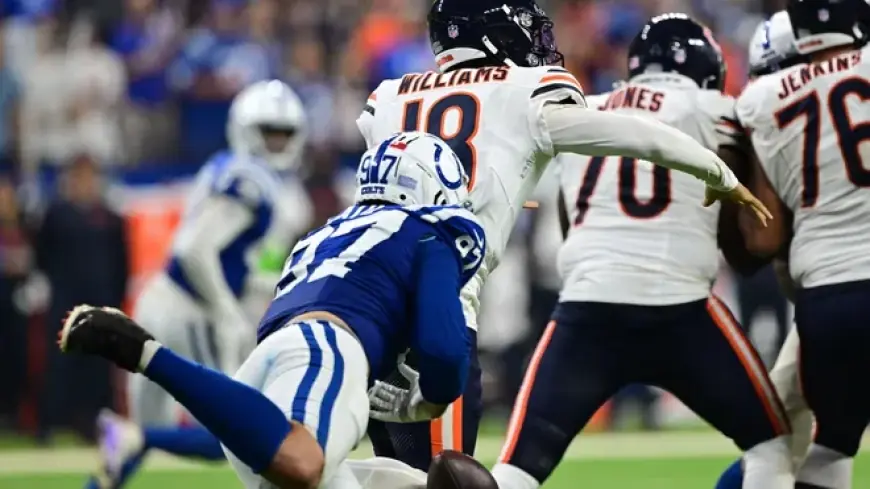
The NFC Divisional Round delivers a classic cold-weather clash in Chicago as the Bears host the Rams with a ticket to Championship Sunday on the line. Two quarterbacks with very different résumés—rookie star Caleb Williams and battle-tested Matthew Stafford—headline a matchup that blends explosive playmaking with trench warfare in January conditions.
Bears vs. Rams kickoff time and key details
-
Date: Sunday, January 18
-
Venue: Soldier Field, Chicago
-
Kickoff: 6:30 p.m. ET / 5:30 p.m. CT / 11:30 p.m. GMT
-
Format: Single-elimination, winner advances to the NFC Championship
-
Status: Lineups and inactives to be finalized near kickoff; monitor for late changes.
What’s at stake for Chicago Bears vs. Los Angeles Rams
For Chicago, this is the continuation of a rapid rise: a rookie quarterback energized the offense and the locker room, and a resilient defense has leaned on takeaways and timely red-zone stops. The Bears’ home-field edge at Soldier Field—especially in January—adds an intangible that can compress games and magnify field position.
For Los Angeles, the window is right now. Stafford has rekindled rhythm with a dynamic receiver group in a system that stresses defenses horizontally and vertically. The Rams’ defense has evolved into a fast, multiple unit capable of flipping drives with negative plays and forced fumbles. A road win in harsh conditions would validate their all-weather credentials and set up a blockbuster conference final.
Quarterback duel: Caleb Williams vs. Matthew Stafford
-
Caleb Williams (CHI): The rookie’s off-script ability has rescued a number of drives, but the divisional stage demands earlier rhythm throws and consistent protection. Chicago will want to mix quick game, moving pockets, and layered play-action to punish overaggressive rush lanes. The key: avoid the third-and-longs that invite exotic pressure.
-
Matthew Stafford (LAR): Still one of the NFL’s best when protected, Stafford punishes single coverage and anticipates windows before they’re truly open. Expect tempo changes and formation variety to identify the Bears’ coverage tells. If Chicago’s front can muddy his base or disrupt timing, the Rams’ offense becomes more methodical—and more vulnerable in the red zone.
Trench talk: where Bears vs. Rams can tilt
-
Chicago’s offensive line vs. Rams’ rush: The Bears enter with lineup questions at tackle after recent injuries reshuffled the depth chart. That uncertainty meets a Rams front that wins with burst off the edge and disciplined interior push. If Chicago can’t settle the edges, they’ll need tight end chips and backs in protection, which caps route combinations.
-
Rams’ protection vs. Bears’ stunts: Chicago’s best shot is squeezing Stafford’s pocket with interior games and late-loop pressures. If those hit, the Bears can steal possessions with hurried throws and tip-drill chances. The tradeoff is leaving space behind the blitz—communication on the back end becomes pivotal.
Skill-position spotlights
-
Rams WRs vs. Bears DBs: The Rams deploy motion and bunch sets to free releases. Chicago must disrupt timing at the snap and rally to limit yards after catch. Expect bracket looks on key downs and a safety rotating late to disguise intentions.
-
Bears run game vs. Rams linebackers: Chicago’s ground attack sets up shot plays. If the Bears can win double-teams inside and get downhill on early downs, play-action opens intermediate crossers that Williams throws with confidence.
-
Special teams swing: Los Angeles made a midseason switch at kicker and has stabilized the operation with a powerful leg who’s been accurate of late. Chicago’s return game can flip momentum, but ball security becomes harder in the cold.
Weather and game script
January at Soldier Field often compresses scoring and magnifies field position. In a colder, breezier setup, expect more conservative fourth-down choices, increased value on drives that end in points (even three), and a premium on punting to the numbers. If winds calm and footing holds, the Rams’ vertical elements gain traction; if conditions deteriorate, the Bears’ physical run-action approach and home familiarity narrow the margins.
Numbers to watch (contextual, not predictive)
-
Explosive plays (passes 20+, runs 10+): The Rams typically rank strong here; Chicago’s defense must cap explosives to keep the game on script.
-
Third-down efficiency: Whoever stays in third-and-manageable controls tempo and dictates defensive calls.
-
Red-zone TD rate: Field goals keep underdogs alive; touchdowns separate favorites in tight, cold games.
-
Sacks/turnovers: A single strip-sack or tipped-ball interception can flip a playoff game; both defenses have the traits to create one.
Strategic levers for Bears vs. Rams
-
Chicago:
-
Move the pocket to protect Williams and stress pursuit angles.
-
Lean on RPOs and quick game early to build rhythm.
-
Mix coverage on early downs to steal a Stafford read and bait a turnover.
-
-
Los Angeles:
-
Early scripted shots to test Chicago’s corners and discourage loaded boxes.
-
Simulated pressures to confuse protections without sacrificing coverage.
-
Keep special teams steady; hidden yards matter in the cold.
-
Outlook
Recent form and efficiency metrics give the Rams a measurable edge on paper, while Chicago’s environment, quarterback creativity, and defensive opportunism provide real upset paths. If the Bears keep the game within one score into the fourth quarter, Williams’ improvisation and Soldier Field’s elements become amplifiers. If the Rams protect Stafford and hit explosives early, their balance can force Chicago into pass-heavy catch-up mode.
Either way, expect a possession game decided by situational football—third downs, red zone, and who blinks first in the trenches.