Mark Zuckerberg’s VR Strategy Gains Edge with Eye Tracking Technology

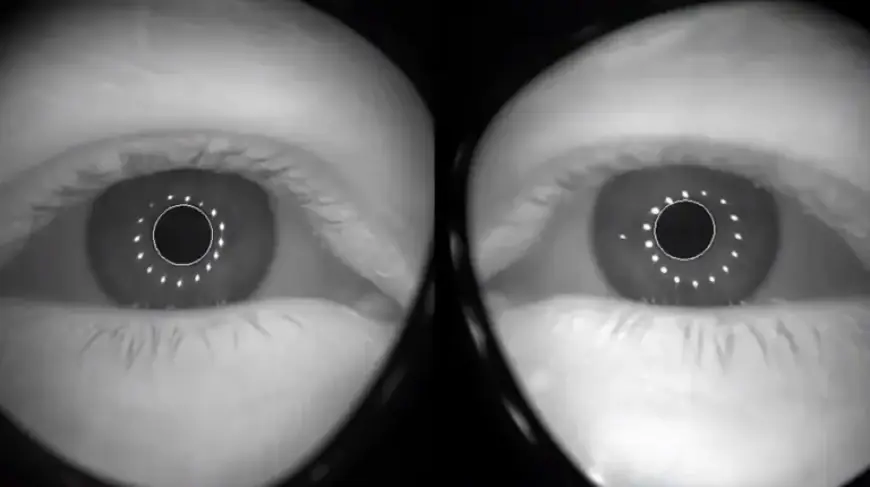
Mark Zuckerberg’s vision for virtual reality (VR) is facing significant challenges as the technology landscape evolves. The CEO of Meta Platforms, Inc., initially acquired Oculus VR in 2014, anticipating that VR would become a key component of personal computing. Fast forward to 2026, and VR is gaining momentum, especially with advances in eye tracking technology.
Mark Zuckerberg’s VR Strategy and Eye Tracking Technology
In recent developments, leading tech companies like Google, Valve, and Apple are updating their VR operating systems, enhancing user experiences by integrating eye tracking features. These advancements are reshaping the competitive landscape in which Meta finds itself.
The Impact of Eye Tracking on VR Innovation
Despite the rapid technological growth, Meta’s strategy appears to lack a coherent implementation of eye tracking. Acknowledging this, Zuckerberg noted in 2024 that while Meta had previously included eye tracking sensors in the Quest Pro, they were removed for the Quest 3. However, he hinted at plans to reintroduce this critical feature in future iterations.
- Oculus VR was acquired by Zuckerberg in 2014.
- The Quest Pro, launched in 2022, was the first headset with eye tracking.
- Eye tracking is critical for enhancing user interactivity in VR environments.
Zuckerberg’s recent statements indicate a recognition of this gap in his strategy. He has attempted to position Quest 3 as superior to Apple’s Vision Pro, which leverages advanced eye tracking technology for a more immersive experience.
Shifts in Meta’s Leadership and Strategy
Meta’s recent layoffs of multiple employees indicate a major recalibration of its VR strategy. As leadership shifts focus, there’s a growing concern that the company may overlook critical aspects of VR development, especially given John Carmack’s 2021 warning regarding the pitfalls of obsessing over the metaverse.
Under pressure, Meta has shifted its focus towards developing gaming studios rather than refining eye tracking technology. This pivot away from essential hardware features could hinder the company’s ability to compete effectively in the rapidly evolving VR market.
Competitors’ Advances in Eye Tracking
As Meta reassesses its VR strategy, competitors like Apple, Google, and Valve are making significant strides. Their upcoming headsets are designed with integrated eye tracking, enhancing user interaction and personalization. This creates a competitive edge that Meta risks losing due to its previous decisions.
| Company | Product | Key Feature |
|---|---|---|
| Meta | Quest 3 | Planned future eye tracking |
| Apple | Vision Pro | Advanced eye tracking |
| Future headset | Integrated eye tracking | |
| Valve | Upcoming VR solution | Eye tracking capabilities |
In conclusion, Meta’s current trajectory suggests a need for reevaluation and strategic correction. Eye tracking technology has proven essential for the future of VR, enhancing not only interaction but also user engagement. As competitors accelerate their innovations, Meta must address these gaps to reclaim its leadership in the VR market.