Despoina Zervaki: The Blonde Fairy of Crete in a War-torn Moment

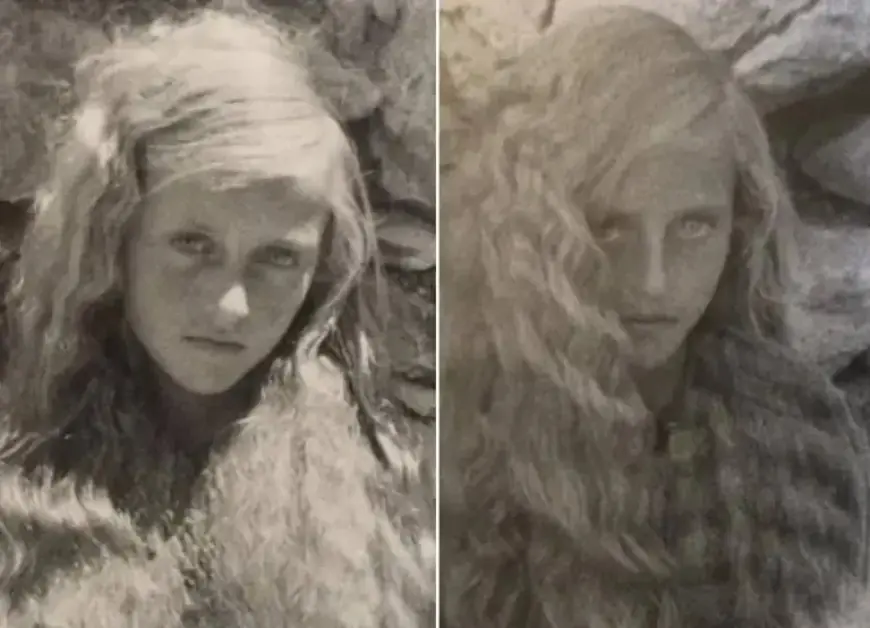
Despoina Zervaki, often referred to as the “Blonde Fairy” or “Venus” of Crete, left an indelible mark on Greek history. Her striking portrait, taken during World War II, symbolizes the spirit of the Cretan people during the Axis occupation.
Despoina Zervaki: The Blonde Fairy of Crete
The iconic photograph capturing Zervaki was taken in the summer of 1942 in the village of Psychro, Crete. The photographer, Lidio Cipriani, was an Italian anthropologist known for his fascist beliefs. He aimed to document the “racial characteristics” of the Cretan population for his publication, Creta e l’origine mediterranea della civiltà (Crete and the Mediterranean Origin of Civilization).
The Circumstances of the Photograph
During the photo session, Zervaki was reportedly uneasy. Local lore suggests that Cipriani became frustrated with her demeanor, which included smiling and fidgeting. In an attempt to elicit a more serious expression, he allegedly threatened her and her family with repercussions from the German military headquarters, known as the Kommandantur.
The Legacy of Despoina Zervaki
Despoina spent her entire life in her ancestral village of Psychro, situated near the famous Psychro Cave. This cave is steeped in mythology, believed to be the birthplace of Zeus. Over the years, Zervaki’s image evolved from a simple anthropological record to a powerful symbol of Cretan beauty and quiet resistance against oppression.
A Life of Humility and Kindness
Despite achieving international fame from her childhood portrait, Zervaki led a modest and reclusive life. She was cherished in the Lasithi Plateau for her warmth and kindness. Zervaki passed away in early 2017 at the age of 85. Her death was celebrated in Greek media as the loss of an “eternal legend,” whose likeness narrates the struggles of a nation facing turmoil.
The Impact of Her Portrait
The photograph of Despoina Zervaki remains one of Greece’s most recognized historical images. It is frequently used to convey the resilience of the Cretan people during a tumultuous period. Her story continues to resonate, embodying the spirit of defiance and beauty that defines Crete.