


















Officials Alter DPI Standard in Bills-Broncos Overtime Thriller

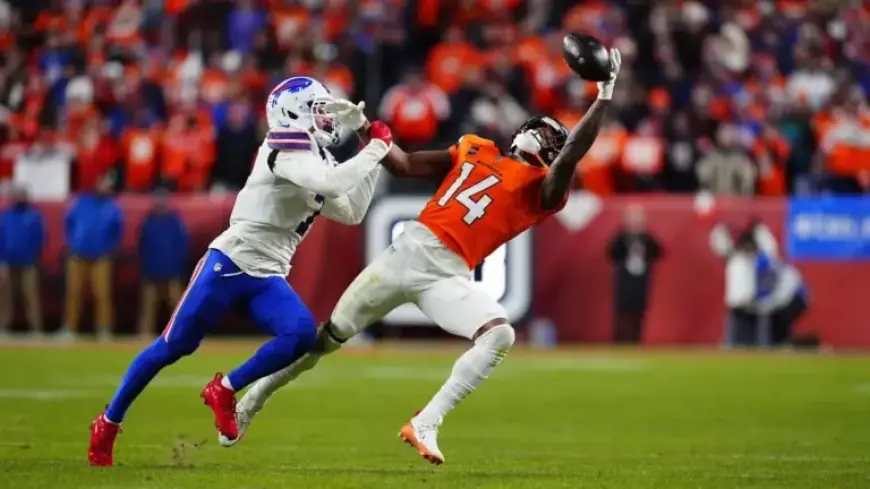
In a thrilling overtime matchup between the Buffalo Bills and the Denver Broncos, a significant change in officiating standards emerged as a focal point. The game, which took place on Saturday, featured no pass interference calls during the first 60 minutes. However, during the final drive of overtime, two critical pass interference penalties were enforced against the Bills.
Key Overtime Events
The first pass interference call occurred against Buffalo cornerback Taron Johnson. This penalty took place on a crucial play involving Broncos receiver Courtland Sutton, resulting in a 17-yard gain. The Broncos advanced the ball from their own 47-yard line to the Bills’ 36-yard line.
The second call was made just two plays later against Tre’Davious White, also of the Bills. This infraction resulted in a decrease in yardage, moving the ball from the Buffalo 38-yard line to the critical 8-yard line.
Referee’s Explanation
After the game, referee Carl Cheffers provided insights into the reasoning behind these calls. He explained the first penalty was due to an arm grab that restricted Sutton’s right arm, which limited his ability to catch the ball. The second was described as early contact that materially affected the receiver’s play.
Controversy and Consistency Issues
The late-game calls stirred controversy, particularly regarding the consistency of officiating. In the fourth quarter, Broncos cornerback Riley Moss faced a similar situation with Bills receiver Brandin Cooks, yet no penalty was called. This inconsistency raised questions about the officiating standards applied throughout the game.
Critics pointed out that if the overtime penalties were justified, then earlier non-calls should have been penalized as well. The discrepancy in officiating could have altered the outcome of the game. Had the Bills received a call during regulation, they might have claimed victory before overtime.
Impact on Team Performance
- Two critical pass interference calls favored the Broncos in overtime.
- The Bills faced no similar calls throughout the game.
- Referee’s explanations highlight the need for consistent officiating standards.
As the Broncos advance further, questions about the fairness and consistency of game officiating continue to loom large, particularly in high-stakes situations.