






















Can Brett Baty Thrive in Left Field?

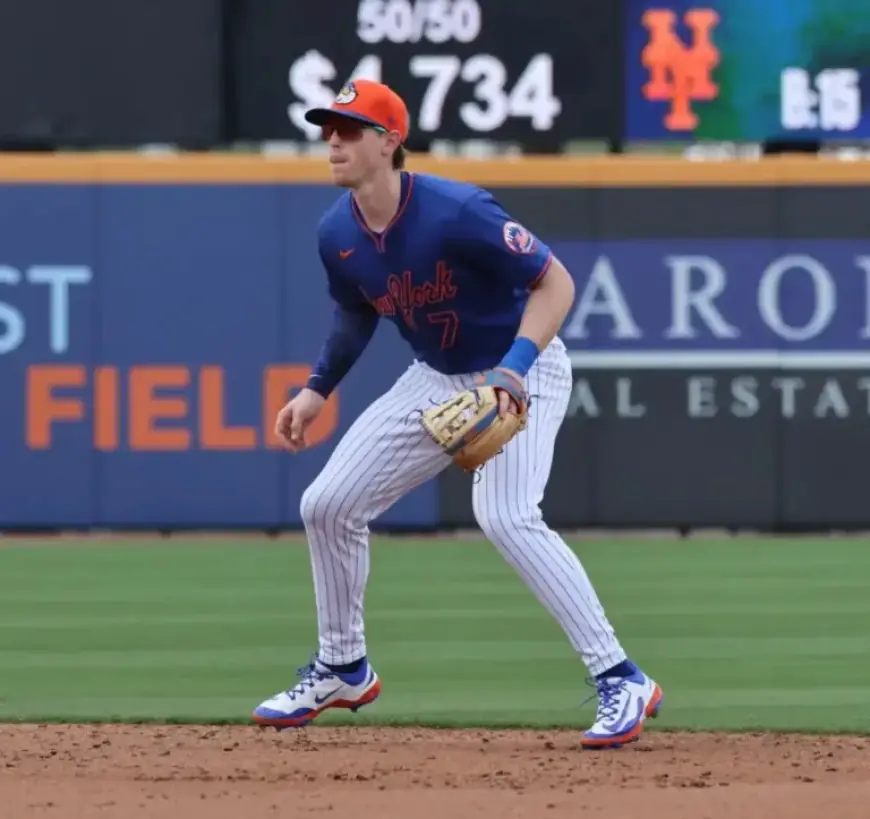
With Bo Bichette now playing third base, infielder Brett Baty finds himself without a designated position. Reports indicate that the New York Mets see potential in Baty as both a first baseman and a left fielder, despite his limited experience in the outfield. The Mets have a pressing need for outfielders, and while he might not be an everyday player in left field, his ability to perform in this role remains in question.
Assessing Brett Baty’s Outfield Potential
Brett Baty has logged 250 innings over 30 games in left field across both major and minor leagues. Of these innings, only one was in the majors. During the 2024 Winter Meetings, Mets’ General Manager David Stearns acknowledged Baty’s defensive versatility, noting: “Brett did a great job last year of creating some positional versatility for himself.” He believes Baty can transition to the outfield as needed.
Scouting Reports on Baty’s Defensive Skills
To gauge Baty’s potential in left field, it’s helpful to review scouting reports from his time in the Mets system:
- Baseball America (Nov 28, 2022): Baty improved at third base and demonstrated athleticism that could allow for success in left field.
- Baseball Prospectus (Dec 22, 2021): Acknowledged Baty’s mixed outfield capability while suggesting that right field might suit him better.
- MLB Pipeline (Aug 17, 2022): Highlighted Baty’s athleticism and defensive potential in left field with a capable arm.
Analyzing Baty’s Sprint Speed and Range
Baty’s sprint speed peaked at 27.0 feet per second, ranking him mid-tier among left fielders, indicating potential for improvement. This measurement places him alongside players such as Lars Nootbaar and Max Kepler. However, sprint speed is just one component of outfield play; reads, jumps, and routes are crucial as well.
Development Needs in the Outfield
As noted in a February 2023 report, Baty’s first step and route efficiency require significant improvement. He expressed confidence in his athletic abilities and a desire to grow in the outfield position, suggesting that commitment to training could yield positive results.
Baty’s Arm Strength
In the 2025 season, Baty averaged throwing at 81.2 mph, a decline from previous years. Batters typically achieve higher velocities when running, which could enhance Baty’s arm metrics if he takes on a primary outfield role. Past evaluations rated his arm strength highly, indicating there might be untapped potential.
Conclusion: Future Outlook for Brett Baty
Baty possesses the athletic traits necessary to thrive in left field. However, he currently lacks the consistency needed for daily play at this position. His versatility can be augmented further by enhancing his explosiveness in reactions and mastering his routes—a development path demonstrated by other Mets players in recent seasons.
For Baty to solidify his spot on the roster in the coming year, the Mets coaching staff will need to foster his adaptability. An ideal future could see him emulate how Jeff McNeil played multiple positions, including third base, second base, and outfield. Strengthening his overall skill set will be key to his success.