‘28 Years Later: The Bone Temple’ storms into theaters with audacious set pieces, star turns, and a franchise-shaking cameo

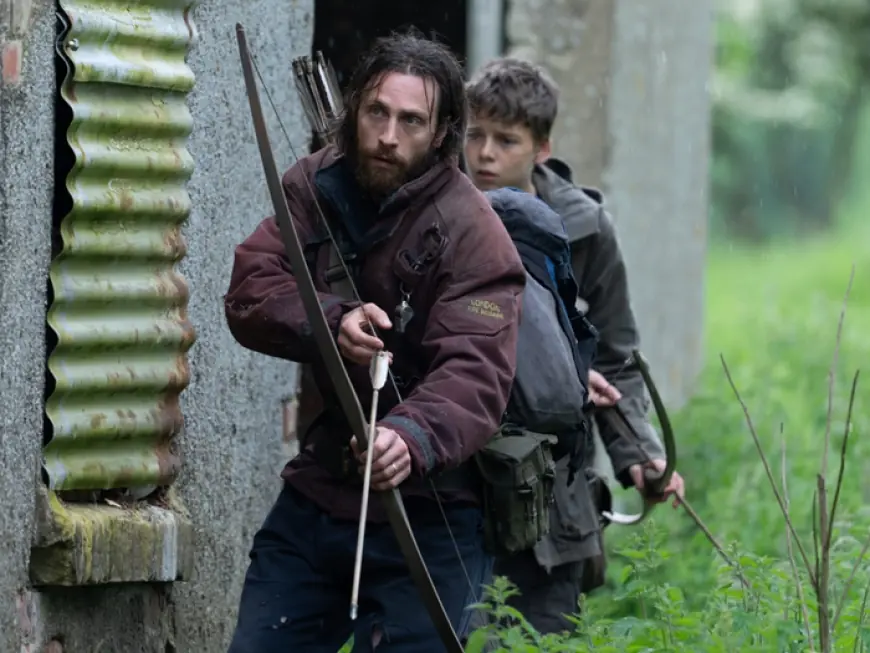
The newest chapter in the revived infection saga has arrived, and 28 Years Later: The Bone Temple wastes no time tightening its grip on the genre. Opening across the U.S. this holiday weekend and fresh off a UK launch earlier in the week, the sequel has surged to the top of the box office and ignited conversation with a wild blend of nerve-jangling horror, gallows humor, and a late-game reveal that reorients where the trilogy heads next.
What’s new in ‘28 Years Later: The Bone Temple’
Directed by Nia DaCosta from a screenplay by Alex Garland, the film was shot back-to-back with last year’s 28 Years Later and plays as both continuation and escalation. Ralph Fiennes leads as Dr. Ian Kelson, a grief-marked survivor bent on honoring the dead while nudging the living toward something like a cure. Jack O’Connell counters as Sir Lord Jimmy Crystal, a charismatic tyrant presiding over a cult that has turned apocalypse into theater. Their collision—philosophy versus spectacle—drives a narrative that’s brisk, bleakly funny, and unafraid to get weird.
A major throughline is the evolution of the infected threat. DaCosta leans into kinetic staging and tactile gore while carving space for quieter exchanges that question what “human” still means. The tonal swing—fear to tenderness to black comedy—holds together because the performances do: Fiennes plays Kelson with spiky humanity, while O’Connell gives his warlord a hypnotic swagger that makes each sermon feel like a trap.
The scene everyone’s talking about
Midway through, the film detonates a bravura sequence inside the titular Bone Temple, where Kelson must convince a zealot crowd that he’s something more—or less—than human. The set piece fuses metal theatrics, ritual pageantry, and razor-wire tension into a fever dream of flames, percussion, and mass hysteria. It’s a you-have-to-see-it moment: audacious, funny in the bleakest way, and crucial to how the film reframes power in a world built on fear.
Cast highlights and a franchise jolt
-
Ralph Fiennes (Dr. Ian Kelson): Alternates between clinician and trickster, turning survival into performance art when the mission demands it.
-
Jack O’Connell (Sir Lord Jimmy Crystal): A cult king who weaponizes nostalgia and shame; the smile never quite reaches his eyes.
-
Erin Kellyman and Alfie Williams: Ground the film’s empathy, mapping how young survivors build identity amid ruin.
-
Chi Lewis-Parry (Samson): A towering presence whose near-mythic bearing hints at where the infection mythos could evolve next.
And then there’s the cameo: a certain bicycle courier from the original story reappears, not as a stunt but as an emotional pivot that threads the earliest film to this new era. The moment lands because it’s small, specific, and loaded with history—setting a clean runway for the announced third installment.
Release timing, momentum, and what the numbers mean
With its U.S. debut aligning to the long weekend and UK audiences already primed, The Bone Temple has seized the top slot and injected fresh energy into the season’s box office. Beyond bragging rights, the strong opening matters strategically: it validates the back-to-back production gamble and strengthens the case for a swift greenlight on the trilogy’s capper. For genre fans, it also signals that the franchise can still flex: intimate stakes, gnarly set pieces, and ideas sharp enough to leave a mark.
Recent rollout at a glance
-
UK double bill + solo release: Mid-January, fueling word-of-mouth with a consecutive-days strategy.
-
U.S. wide release: MLK weekend frame, maximizing premium evening slots and late-night crowds.
-
Next stop: A third chapter already in development, with the new film’s final minutes positioning legacy characters squarely at the center.
(Schedules and formats can shift; check local listings for exact showtimes.)
Craft choices that hit different
DaCosta’s approach refuses to mimic earlier entries. The camera is restless but readable; the action is brutal yet legible, avoiding murk for crisp geography and needle-drops that actually serve character beats. The score pulses between dirge and war cry, while production design doubles as anthropology—every mask, banner, and bone totem tells on the culture that built it. Even the humor cuts with intent: punch lines arrive exactly when the world feels most dehumanized, reminding us why people invent myths in the first place.
Where ‘The Bone Temple’ leaves the trilogy
By ending on a note that’s both intimate and ominous, the film re-centers the franchise on choice: who gets to define the future—storytellers who prey on fear, or caretakers who turn memory into action? The path to the finale now looks wide open: a showdown between competing myths, with the infected no longer just a backdrop but an evolving force in the argument about what survives.
28 Years Later: The Bone Temple is a confident, combustible sequel that pairs spectacle with purpose. It honors the scrappy terror that launched the saga while steering the mythology somewhere stranger—and possibly more hopeful—than anyone expected.