Why People in 2026 Remain Fixated on 2016

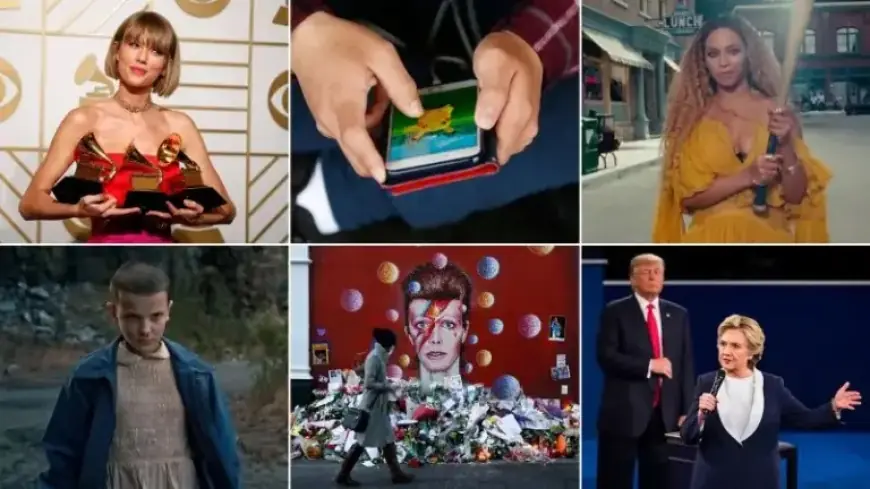
The year 2016 remains a focal point for many as we approach 2026, sparking nostalgia and reflection. This decade has initiated a widespread cultural reminiscence of both notable events and personal experiences from that time.
Key Events and Cultural Shifts from 2016
2016 was marked by significant events, both joyous and tragic, that shaped the landscape of culture and politics. Here are some notable happenings:
- The Pulse nightclub massacre became the deadliest mass shooting in U.S. history.
- Notable celebrities like Prince and David Bowie passed away.
- The U.S. presidential election saw the rise of liberal hopes for the first woman president.
- The Brexit vote led to the United Kingdom’s exit from the European Union, creating political upheaval across Europe.
The Celebrity Connection to 2016
In recent years, many celebrities have shared memories from 2016, invoking a sense of simpler times. Comparisons between their past and present selves have gone viral:
- Kylie Jenner reminisces about her lip kit launch, a pivotal moment in her career.
- Reese Witherspoon and Lena Dunham have also shared throwback photos, evoking nostalgia among fans.
- Social media influencers like Mindy Kaling expressed affection for the aesthetics of 2016.
This cultural revival showcases how personalities and their past styles resonate with their audience, stirring collective memories. Many feel that the era represented a more carefree time, despite the global challenges that were unfolding.
Understanding Nostalgia: 2016 in Retrospect
As the decade progresses, opinions about 2016’s impact differ widely. Jessica Maddox, a media and cultural studies professor, highlights the complexities of nostalgia. She notes that people frequently romanticize past experiences, despite facing struggles.
Interjections of personal stories reveal a deeper layer of the nostalgia phenomenon. For instance, Maddox recalls her own challenges from that year, countering the comparatively “simpler” image that social media portrays. Many agree that 2016 was less about constant connectivity and more about shared cultural experiences.
The Last Good Year?
Some refer to 2016 as the “last good year” before significant political shifts altered the landscape. Dustin Kidd, a sociology expert, asserts that the year marked a transition, particularly with Donald Trump’s election reshaping American politics. The Brexit vote similarly upended the political order in the U.K., complicating relationships within Europe.
This nostalgia reflects a longing for a time when cultural discussions felt less divisive. As discussions of nostalgia mount, the online response reveals a polarized societal mindset, illustrating how the internet has changed in tone and accessibility since that era.
The Cultural Reflection of 2016
As we approach 2026, the fascination with 2016 continues to emerge among public figures and everyday individuals. The yearning for the past reveals much about current societal issues. A decade on, simple moments shared or captured online remind us of what was lost or changed.
The juxtaposition of tragic events with cultural highlights from 2016 shows how complex our recollections can be. The reflexive nostalgia encapsulates a deeper desire for connection and understanding in a world that seems further away from the joys of that iconic year.