






















ICE Shooting Video Analysis Reveals Crucial Contested Moments

Following the fatal shooting of Renee Good by a federal agent in Minneapolis on January 7, controversy has escalated over the incident. Good, a U.S. citizen, was shot by agent Jonathan Ross, who allegedly claimed she “weaponized her vehicle” during the confrontation.
Contested Interpretations of the Incident
President Trump and other officials have suggested that Good intentionally tried to harm the agent. They assert that cellphone footage confirms this narrative. “She didn’t try to run him over,” Trump stated. “She ran him over.” However, this interpretation has been met with skepticism from local officials.
Officials believe that aggressive tactics from the federal government contributed to heightened tensions in the community. Protests erupted across the nation, drawing attention to the circumstances surrounding Good’s death. Demonstrators argue that the federal response to the situation was inappropriate.
State Response and Additional Federal Agents
In response to the unrest, the administration dispatched 1,000 extra agents to Minnesota. This move aims to stabilize the situation but has sparked further discussions regarding the use of force and tactics by federal officers.
Video Analysis of Key Moments
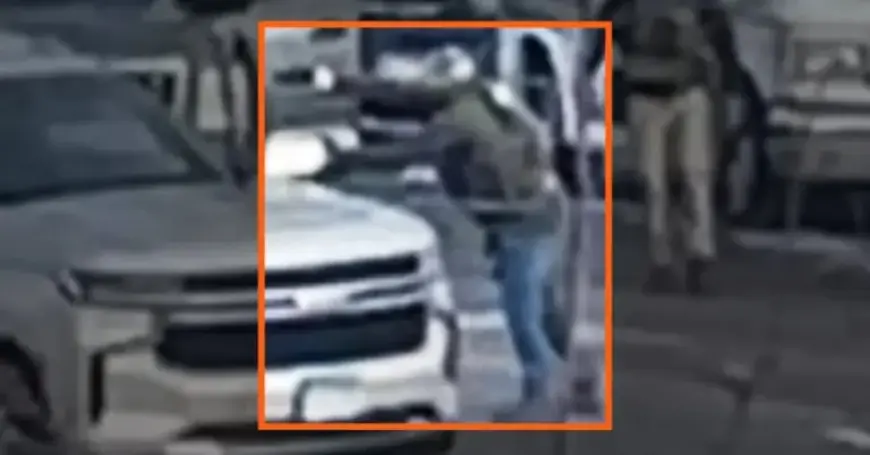
A video analysis conducted by The Times focuses on critical points from the incident. This analysis scrutinizes the agent’s cellphone video alongside additional footage. Initial assessments suggest no evidence that Agent Ross was struck by Good’s vehicle.
- Agent Jonathan Ross involved in the shooting.
- Cellphone video analysis presents key moments of escalation.
- Visual evidence raises questions about the agent’s positioning.
As more videos are anticipated to surface, the existing footage highlights significant moments leading up to the shooting. The analysis emphasizes Ross’s placement near Good’s SUV, questioning the circumstances that led to the confrontation.
Moving forward, the incident continues to draw intense scrutiny from various factions, each with its perspective on the use of force and community policing strategies.