Supreme Court to Hear Decisive Roundup Cancer Claims Case

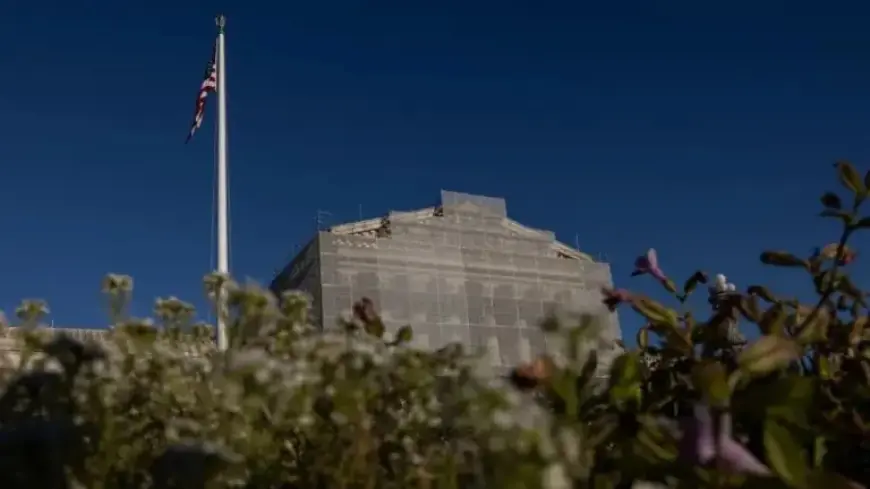
The Supreme Court is set to hear an important case regarding claims that the pesticide Roundup caused cancer in numerous individuals. This hearing could affect thousands of lawsuits against Monsanto, the manufacturer of Roundup. The central question is whether federal pesticide labeling laws prevent these cases from proceeding in state courts.
Background of the Case
This legal battle follows a landmark $1.25 million jury verdict awarded to John Durnell in 2019. Durnell alleged that exposure to Roundup led to his diagnosis of non-Hodgkin’s lymphoma. The Missouri state court supported his claim, and the decision was upheld by a state appeals court.
Since that time, over 100,000 similar claims have been filed against Monsanto. The company argues that a federal law from the 1970s, which empowers the Environmental Protection Agency (EPA) to regulate pesticides, should preempt these state law claims. If the Supreme Court agrees, it could significantly limit future lawsuits.
Implications of the Court’s Decision
The upcoming arguments in spring will impact both agriculture and public health. Roundup, primarily containing the active ingredient glyphosate, is widely used in farming. Although the EPA has repeatedly stated that glyphosate does not cause cancer, the International Agency for Research on Cancer classified it as “probably carcinogenic to humans” in 2015.
- 2019: John Durnell’s trial award for non-Hodgkin’s lymphoma.
- Over 100,000: Number of claims against Monsanto.
- Glyphosate: Central ingredient in Roundup, heavily used in agriculture.
- 2015 Classification: Glyphosate labeled as “probably carcinogenic” by the International Agency for Research on Cancer.
Recent Developments
In light of these controversies, Bayer, which acquired Monsanto in 2018, welcomed the Supreme Court’s decision to take up the case. The company sees this as a pivotal move in managing ongoing litigation. They emphasize that glyphosate has been deemed safe over decades of research.
Despite the company’s claims, several juries have sided with plaintiffs, awarding significant damages for cancer-related allegations tied to Roundup. Durnell’s attorneys argue that Monsanto failed to provide adequate warnings about the risks associated with its product.
Political Context
The case carries political ramifications as well, especially with support from the Trump administration. In December, the administration argued for the Supreme Court to review the case, asserting that only the EPA can mandate changes to pesticide labeling.
This stance diverges from public health views, particularly those of HHS Secretary Robert F. Kennedy Jr., who previously criticized Roundup’s safety. Kennedy’s involvement in high-profile lawsuits against Monsanto has showcased a significant tension between regulatory and health advocacy perspectives.
Conclusion
The outcome of this Supreme Court case will not only affect ongoing litigation but also influence the future of pesticide regulation in the United States. As the matter unfolds, both agricultural practices and public health considerations hang in the balance.