Detroit Three Accelerate Towards New Golden Age at Auto Show

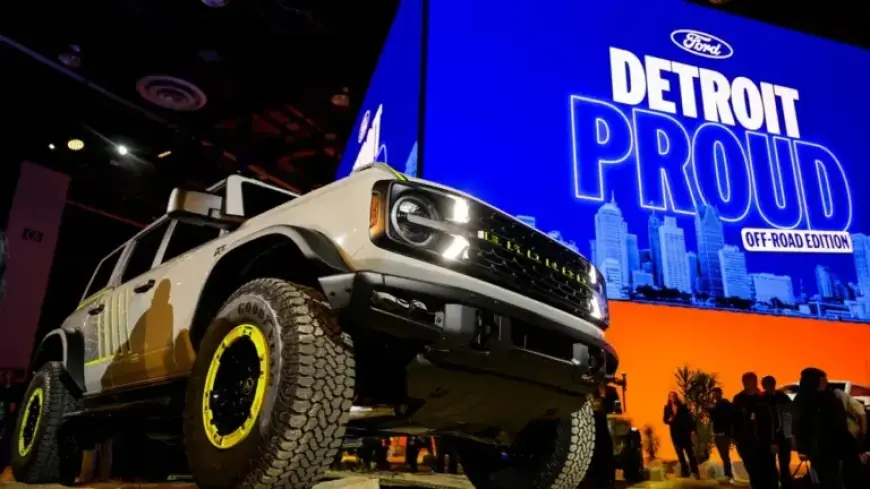
The automotive landscape is shifting dramatically as the Detroit Three—General Motors, Ford, and Stellantis—embrace a new era highlighted during the latest Detroit Auto Show. This year’s event signals a departure from past environmentally driven narratives. Instead, automakers are leaning back into the nostalgia of powerful combustion engines, responding to altered regulatory dynamics.
Return to Gas-Powered Vehicles
The current administration’s regulatory stance favors traditional internal combustion engines. This shift allows automakers to focus on producing gas-powered trucks and SUVs. With relaxed emissions standards, the Detroit Three are ramping up their output of full-size vehicles.
- General Motors (GM)
- Ford Motor Company
- Stellantis NV
Ford CEO Jim Farley emphasized the end of globalization in the auto industry. This change represents a critical reassessment for major automotive players that have historically aimed for international expansion.
Impact of Market Dynamics
This year’s auto show reflects a cautious optimism. Companies are capitalizing on rising demand for vehicles that are profitable. For instance, GM’s electric Cadillac Escalade IQ Premier Sport is priced at $150,630, indicating a market targeting affluent consumers.
Ford’s Executive Chair Bill Ford noted, “This is the most profitable market in the world,” underscoring the region’s economic potential. The automotive giants are aiming to enhance their market share, especially in the competitive truck and SUV segments.
Automotive Racing and Future Ambitions
Beginning in March, Ford and GM will compete in Formula One for the first time. This venture aligns with their goals to innovate and strengthen their brand identities through high-profile racing. Each company plans to use this platform for technological advancements that could trickle down to consumer vehicles.
Concerns and Challenges Ahead
Despite rising profits, industry experts warn of potential risks after regulatory changes. Concerns grow about the sustainability of this profit boom post-regulatory rollback. As electric vehicles remain a priority for the future, the industry must navigate its path amid evolving market standards.
Insights from industry experts suggest that major technological advancements are emerging from competitors, particularly in China. The absence of Detroit manufacturers from pivotal events, like the CES, raises questions about their competitive stance.
In conclusion, as the Detroit Three pivot back to combustion engines, the future of the American automotive industry hangs in the balance. While immediate market conditions are favorable, the impending challenges surrounding electrification and global competition loom large.