Bo Bichette to Mets on three-year, $126M deal: What it means for Toronto, New York, and the 2026 market

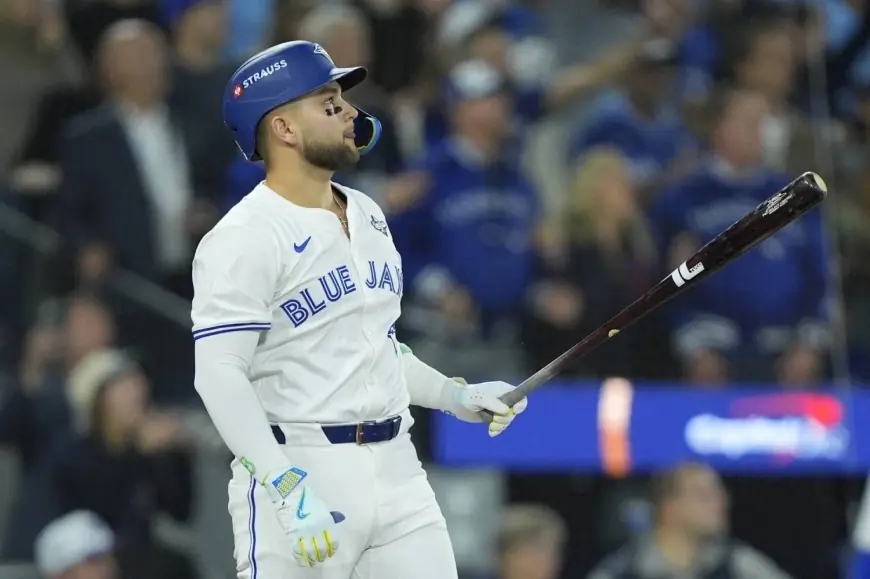
Bo Bichette is set to trade blue for blue and orange. The two-time All-Star has reached a three-year, $126 million agreement with the New York Mets, with an average annual value of $42 million. The pact is expected to include opt-outs after Year 1 and Year 2 and is pending a physical. Bichette, 27, departs the Toronto Blue Jays after a decade in the organization and a strong 2025 rebound, instantly reshaping the Mets’ infield and the National League East pecking order.
Bo Bichette contract details and role with the Mets
The financial headline is clear: $126 million over three years, no deferrals, and early exit ramps that could turn this into a short-term mega bet if Bichette keeps producing at elite levels. Because he declined a qualifying offer before reaching the market, New York will surrender draft capital and international bonus pool money, while Toronto gains a compensatory pick.
Defensively, the fit points toward third base. With Francisco Lindor anchored at shortstop, the Mets can maximize Bichette’s value by sliding him to the hot corner, where his arm strength and quick reactions should translate. He handled second base in spots during the World Series and has the athleticism to manage the shift in responsibilities. Expect him to open camp at third unless spring injuries force a different alignment.
Key points:
-
Term: 3 years, $126M; opt-outs after Year 1 and Year 2 (pending physical).
-
Expected position: Third base, with shortstop blocked by Lindor.
-
Draft implications: Mets forfeit picks; Blue Jays receive compensation.
How Bo Bichette changes the Mets’ lineup
Bichette lengthens a batting order that needed a right-handed anchor after major departures. His 2025 slash line (.311 average, strong on-base and gap power) signaled the return of peak bat-to-ball skills, with enough thump to slug to the pull side and lift mistakes to the opposite field. He also posts consistent hard-contact rates on pitches in the zone, which should play in Citi Field with new dimension tweaks and a deeper supporting cast.
Projected top 6 with Bichette (subject to spring competition):
-
Nimmo — LF/CF, on-base table setter
-
Polanco — 2B, switch-hit balance
-
Bichette — 3B, contact-plus power
-
Semien — 1B/2B/3B flexibility and pop
-
Alvarez — C, burgeoning middle-order power
-
Marte — RF, speed if healthy
If New York adds another outfield bat or a frontline starter before camp, Bichette’s run production could spike further. His profile also helps versus elite lefties in-division.
Toronto Blue Jays after Bichette: reshuffle time
For Toronto, this is a franchise pivot. The club pushed hard across multiple fronts this winter and still exits without its longtime shortstop. The immediate question is internal versus external: does the organization hand shortstop to an in-house option, pursue a glove-first stopgap, or explore a trade for a controllable regular? Given recent investments elsewhere on the roster, a run-prevention tilt—premium defense up the middle, ground-ball staff support—would make sense if the bat market doesn’t cooperate.
Toronto also benefits from the compensation pick attached to Bichette’s departure, a small offset that adds draft capital to a system that has graduated or moved several notable pieces in recent years. In the near term, everyday stability at shortstop and the top-third of the lineup are the two holes that must be addressed before Opening Day.
Where this leaves the 2026 MLB free-agent board
Bichette’s agreement tightens a star-heavy class and establishes a fresh AAV marker for short-term position-player deals with opt-out flexibility. With one of the premier right-handed bats off the board, attention shifts to remaining headliners and to trade candidates who could shake free as clubs recalibrate budgets. In particular, NL East rivals weighing counterpunches now have a clearer picture of New York’s infield structure and payroll posture.
Expect cascading moves:
-
Mets: Could still chase rotation stability, leveraging Bichette’s bat to justify an aggressive arms addition.
-
Blue Jays: Must secure a major-league shortstop plan and another run-producing bat or bank on internal development and pitching depth.
-
Rest of NL East: Adjust pitching plans against a contact-heavy Mets core that punishes mistakes early in counts.
Timeline, roster mechanics, and what’s next
-
Jan. 16, 2026: Agreement reached; pending physical.
-
Position plan: Third base for Bichette entering camp; shortstop remains Lindor’s domain.
-
Draft/IBP impact: Mets absorb penalties tied to the qualifying offer; Blue Jays gain a compensation selection.
-
Spring Training: Reporting dates begin in mid-February; club evaluations could still spark trades and late signings.
Recent updates indicate this agreement is moving toward completion; as with any high-profile signing, details may evolve until the physical is finalized and the contract is formally announced. For now, the Mets get the right-handed star they badly needed, and the Blue Jays confront a new reality—replacing a fixture on and off the field while keeping their 2026 ambitions intact.