Google Fast Pair Security Flaw Exposes Sony, Anker Headphones

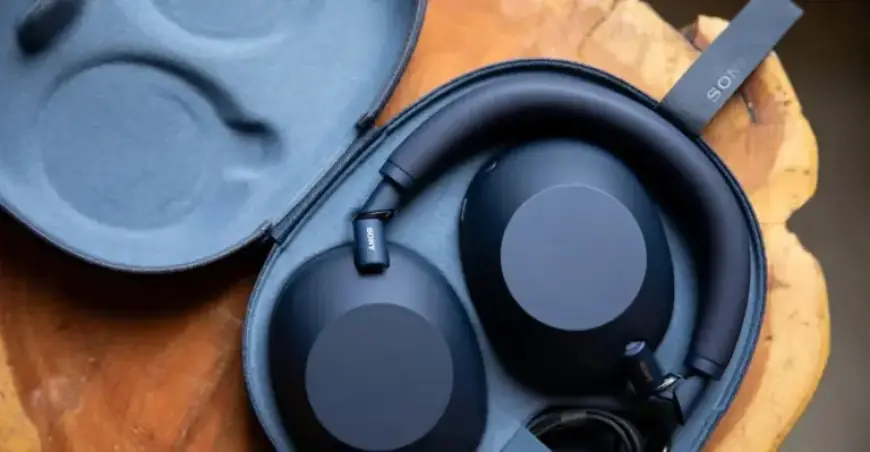
Recent research has revealed significant security vulnerabilities in Bluetooth audio devices from brands like Sony and Anker. These flaws affect devices that utilize Google’s Fast Pair protocol, enabling potential attackers to gain unauthorized access and listen to conversations or track users.
Fast Pair Vulnerabilities Exposed
A team from KU Leuven University in Belgium identified these vulnerabilities, collectively termed WhisperPair. This flaw affects several Bluetooth devices, including headphones, earbuds, and speakers. Notably, iPhone users with compatible devices are also at risk, despite Fast Pair being primarily a Google feature.
How WhisperPair Works
The Fast Pair protocol is designed to simplify the Bluetooth pairing process. Users can connect wireless audio accessories to Android or Chrome OS devices effortlessly. However, researchers found that many devices do not comply with Google’s specifications for Fast Pair. This lack of adherence allows attackers within Bluetooth range to pair their devices without proper authorization.
Testing and Findings
In their study, researchers tested over two dozen Bluetooth devices, successfully hacking 17 of them. The attackers were able to:
- Play unauthorized audio through the compromised devices.
- Intercept phone calls.
- Eavesdrop on conversations using built-in microphones.
Moreover, a more severe vulnerability was discovered in five Sony products and Google’s Pixel Buds Pro 2. If these devices had not been previously connected to an Android device, attackers could use WhisperPair to link them to their Google accounts. This enabled the potential tracking of users’ movements via Google’s Find Hub network.
Responsiveness from Google
Researchers reported these findings to Google in August 2025. In response, the company suggested fixes to its accessory OEM partners in September. Google updated its certification requirements to address these vulnerabilities. Ed Fernandez, a Google spokesperson, stated that the company had not seen evidence of exploitation beyond the research lab setting.
Mitigation Strategies
Although the suggested fixes are intended to resolve the Fast Pair vulnerabilities, a new update was introduced to prevent WhisperPair attacks on unpatched devices. Researchers noted that they could bypass this patch within hours, illustrating the persistent risk. According to Fernandez, the attackers leveraged outdated firmware to execute their workaround, prompting Google to investigate this issue further.
Recommendations for Users
As users cannot disable Fast Pair, the only defense against WhisperPair attacks is to install firmware updates provided by device manufacturers. Following the report, Filmogaz reached out to affected hardware manufacturers for their responses. Spenser Blank of OnePlus North America confirmed the company’s commitment to security and stated that they are actively investigating the situation.
In conclusion, this security flaw presents a significant risk for users of affected Bluetooth audio devices. Awareness and timely updates are crucial for protecting personal data and privacy in this evolving threat landscape.